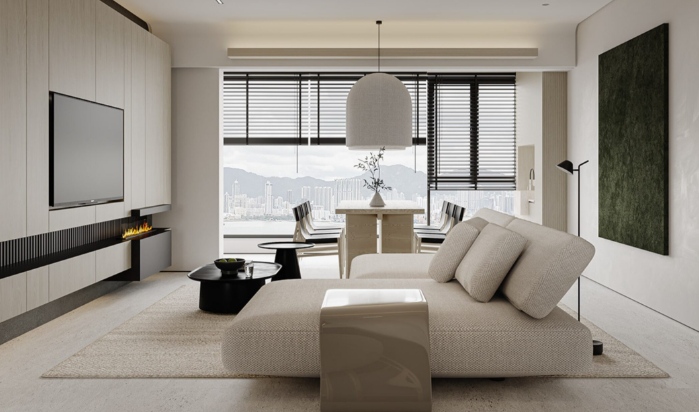
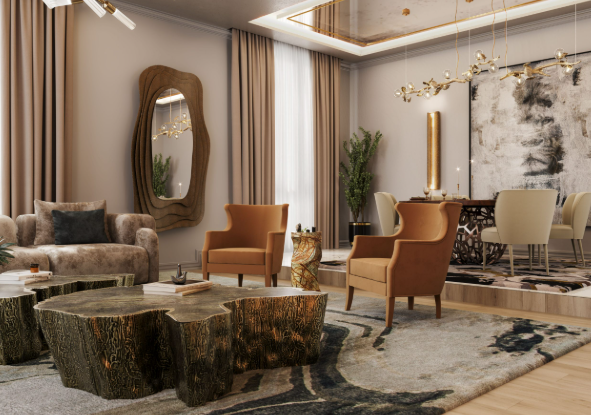
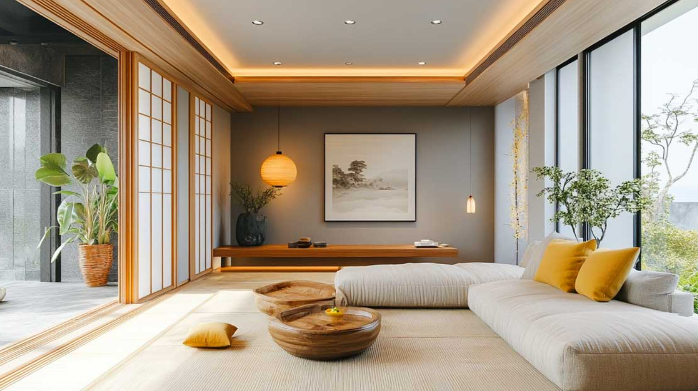
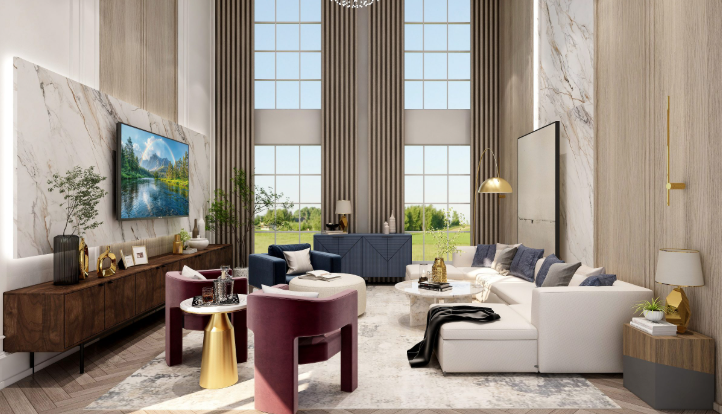
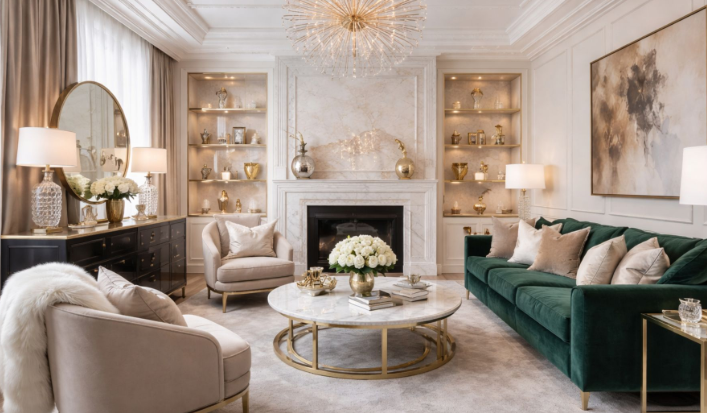
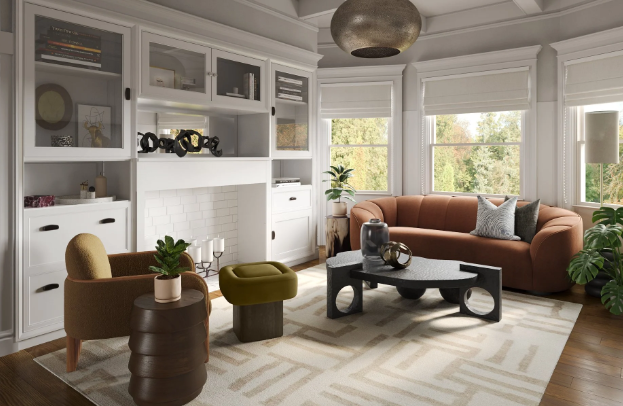
Modern Interior Trends – Interior design continues to evolve as lifestyles, technology, and cultural preferences change. Modern interior trends today are no longer focused only on aesthetics; they also emphasize comfort, sustainability, functionality, wellness, and personalization. Homeowners now want living spaces that not only look beautiful but also support productivity, relaxation, and emotional well-being.
Over the past few years, modern interiors have shifted away from overly formal and heavily decorated spaces. Instead, people are embracing clean lines, natural materials, warm textures, and flexible layouts that create a balance between luxury and practicality. Contemporary homes are becoming more adaptable, especially as many people now work remotely, spend more time indoors, and prioritize comfort in everyday living.
Modern interior trends are also heavily influenced by technology and sustainability. Smart home systems, eco-friendly materials, energy-efficient lighting, and multifunctional furniture are becoming essential elements in modern homes. At the same time, minimalist aesthetics and nature-inspired designs continue to dominate global interior design styles.
From organic modern interiors and Japandi aesthetics to bold statement lighting and biophilic design, modern trends offer endless inspiration for homeowners who want to refresh their spaces. Whether designing a small apartment or a luxury house, understanding current interior trends can help create timeless and functional environments.
This article explores the most popular modern interior trends shaping homes today, including color palettes, furniture styles, materials, lighting concepts, decor ideas, smart technology, and future design innovations.
The Evolution of Modern Interior Design
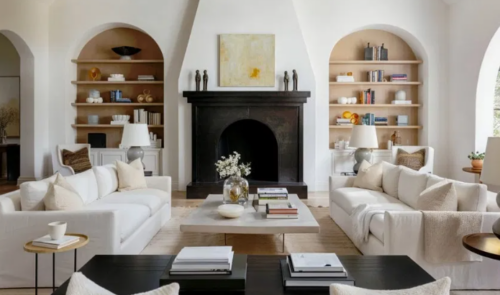
Modern interior design has changed significantly over the years. Traditional modernism focused heavily on minimalism and functionality, often using monochromatic palettes and sleek materials. Today’s modern interiors still value simplicity but include warmer textures, softer colors, and more personalized touches.
Contemporary design now combines:
- Comfort and elegance
- Natural materials and technology
- Minimalism and warmth
- Sustainability and luxury
- Functionality and creativity
Modern homes are becoming more human-centered rather than purely decorative.
Organic Modern Interior Trend
What Is Organic Modern Design?
Organic modern design combines clean modern aesthetics with natural textures and earthy materials. This trend creates interiors that feel warm, calm, and connected to nature.
Key elements include:
- Neutral color palettes
- Wooden furniture
- Stone textures
- Linen fabrics
- Curved shapes
- Indoor plants
Organic modern interiors balance sophistication with comfort.
Why Organic Modern Is Popular
People are increasingly seeking peaceful and relaxing environments. Organic modern interiors create soothing spaces that feel timeless and welcoming.
Benefits include:
- Relaxing atmosphere
- Natural beauty
- Minimal clutter
- Better emotional comfort
Japandi Style Continues to Rise
The Combination of Japanese and Scandinavian Design
Japandi blends Japanese minimalism with Scandinavian coziness. It has become one of the most influential modern interior trends worldwide.
Characteristics include:
- Neutral colors
- Functional furniture
- Natural materials
- Clean lines
- Cozy textures
Japandi interiors feel simple yet warm and inviting.
Focus on Mindful Living
Japandi design encourages intentional living by reducing clutter and emphasizing quality over quantity.
Earth Tone Color Palettes
Warm Neutral Colors
Modern interiors are moving away from stark white spaces and embracing warmer neutral tones.
Popular colors include:
- Beige
- Sand
- Taupe
- Warm gray
- Clay
- Terracotta
- Olive green
These tones create comfort and sophistication.
Nature-Inspired Shades
Earthy colors inspired by landscapes and natural materials help create calming interiors.
Popular accent colors:
- Forest green
- Rust orange
- Muted blue
- Deep brown
Curved Furniture and Soft Shapes
The Rise of Organic Shapes
Sharp edges are gradually being replaced by softer and more organic forms.
Popular curved elements include:
- Rounded sofas
- Curved coffee tables
- Arched mirrors
- Circular lighting fixtures
Curves create a softer and more welcoming atmosphere.
Comfort-Focused Design
Furniture trends now prioritize both aesthetics and comfort.
Popular materials:
- Bouclé fabric
- Velvet upholstery
- Soft linen
- Plush textures
Multifunctional Furniture
Smart Solutions for Modern Living
As urban living spaces become smaller, multifunctional furniture is becoming essential.
Popular options include:
- Sofa beds
- Extendable dining tables
- Storage ottomans
- Foldable desks
- Modular furniture
These solutions maximize functionality without sacrificing style.
Flexible Home Layouts
Modern interiors are becoming more adaptable for:
- Remote work
- Entertaining guests
- Relaxation
- Family activities
Flexible furniture supports changing daily needs.
Sustainable Interior Design
Eco-Friendly Materials
Sustainability is one of the biggest trends in modern interior design.
Popular sustainable materials:
- Recycled wood
- Bamboo
- Cork
- Organic cotton
- Reclaimed furniture
Energy Efficiency
Modern homes increasingly use:
- LED lighting
- Smart thermostats
- Energy-efficient appliances
- Solar-powered systems
Sustainable design benefits both homeowners and the environment.
Biophilic Design Trends
Bringing Nature Indoors
Biophilic design focuses on strengthening the connection between humans and nature.
Popular features include:
- Indoor plants
- Natural light
- Water features
- Organic textures
- Large windows
Benefits of Biophilic Interiors
Research shows that nature-inspired spaces can:
- Reduce stress
- Improve mood
- Increase productivity
- Enhance relaxation
This trend continues growing in both homes and offices.
Statement Lighting Trends
Lighting as Functional Art
Modern lighting is no longer just practical—it is also decorative.
Popular statement lighting includes:
- Sculptural chandeliers
- Oversized pendant lights
- Artistic floor lamps
- Geometric fixtures
Layered Lighting Design
Modern interiors use multiple lighting sources to create depth and ambiance.
Lighting layers include:
- Ambient lighting
- Task lighting
- Accent lighting
Warm lighting remains the preferred choice for cozy interiors.
Minimalist Luxury Interiors
Quiet Luxury Trend
Quiet luxury focuses on understated elegance rather than flashy decor.
Characteristics include:
- High-quality materials
- Soft textures
- Neutral colors
- Minimal clutter
- Timeless furniture
Luxury is expressed through craftsmanship and detail rather than excessive decoration.
Timeless Design Choices
Modern homeowners are investing in pieces that remain stylish for years.
Popular timeless elements:
- Marble surfaces
- Wooden furniture
- Neutral palettes
- Elegant lighting
Smart Home Technology Integration
Technology Meets Interior Design
Modern interiors increasingly integrate smart technology seamlessly.
Popular smart features include:
- Voice-controlled lighting
- Smart curtains
- Automated climate systems
- Smart security devices
- Hidden entertainment systems
Invisible Technology
Technology is becoming more discreet and integrated into the overall design.
Examples include:
- Built-in speakers
- Wireless charging furniture
- Hidden TVs
- Minimalist control panels
Textured Interiors
Layering Different Materials
Texture plays a major role in modern design trends.
Popular textures include:
- Linen
- Bouclé
- Stone
- Wood
- Concrete
- Velvet
Mixing textures creates visual depth and sophistication.
Matte Finishes
Matte surfaces are becoming more popular than glossy finishes because they create a softer and more natural appearance.
Open Concept Living Spaces
Seamless Flow Between Rooms
Open layouts remain highly popular in modern homes.
Benefits include:
- Better natural light
- Spacious feeling
- Improved social interaction
- Flexible furniture arrangement
Zoning Open Spaces
Modern interiors use rugs, lighting, and furniture placement to define areas without walls.
Home Office Design Trends
Functional and Stylish Workspaces
Remote work has permanently influenced interior design.
Modern home offices now prioritize:
- Ergonomic furniture
- Good lighting
- Organized storage
- Stylish decor
Blending Workspaces with Interiors
Home offices are designed to feel cohesive with the rest of the house rather than purely corporate.
Kitchen Interior Trends
Minimalist Kitchens
Modern kitchens emphasize simplicity and functionality.
Popular features include:
- Handleless cabinets
- Hidden appliances
- Neutral colors
- Quartz countertops
Natural Materials in Kitchens
Wood and stone are replacing overly industrial materials.
Smart Kitchens
Technology trends include:
- Smart refrigerators
- Touchless faucets
- Automated lighting
Bathroom Interior Trends
Spa-Inspired Bathrooms
Bathrooms are becoming wellness-focused spaces.
Popular features include:
- Freestanding bathtubs
- Rain showers
- Warm lighting
- Natural stone
Minimalist Bathroom Design
Modern bathrooms prioritize clean lines and clutter-free environments.
Bedroom Interior Trends
Cozy Minimalism
Bedrooms now focus on comfort and relaxation.
Popular bedroom trends include:
- Neutral palettes
- Soft textiles
- Layered bedding
- Ambient lighting
Wellness-Oriented Design
Sleep quality influences bedroom design choices.
Features include:
- Blackout curtains
- Natural materials
- Calming colors
Decorative Trends in Modern Interiors
Handmade and Artisan Decor
Handcrafted items add personality and authenticity.
Popular decor includes:
- Handmade pottery
- Woven baskets
- Artisan textiles
Vintage and Modern Mix
Modern interiors increasingly combine vintage furniture with contemporary design.
This mix creates character and uniqueness
Popular Flooring Trends
Light Wood Flooring
Natural wood tones remain timeless and versatile.
Large-Format Tiles
Large tiles create seamless and spacious appearances.
Sustainable Flooring Materials
Eco-friendly flooring options include:
- Bamboo
- Cork
- Recycled wood
Interior Trends for Small Spaces
Minimal Furniture
Small spaces benefit from streamlined furniture designs.
Hidden Storage Solutions
Storage is integrated into furniture and walls to reduce clutter.
Mirrors and Light Colors
Mirrors and soft colors help small rooms appear larger.
Wellness-Centered Interiors
Designing for Mental Health
Modern interiors increasingly focus on emotional well-being.
Features include:
- Calming colors
- Natural light
- Comfortable furniture
- Quiet spaces
Meditation and Relaxation Areas
Many homes now include dedicated spaces for mindfulness and relaxation.
Personalization in Interior Design
Unique and Meaningful Spaces
Modern homeowners want interiors that reflect their personalities.
Popular personalization ideas:
- Custom artwork
- Travel souvenirs
- Personalized furniture
- Family photo displays
Moving Away from Generic Trends
People are prioritizing authenticity over perfectly staged interiors.
Common Interior Design Mistakes to Avoid
1. Following Trends Blindly
Choose trends that fit your lifestyle and personal taste.
2. Ignoring Functionality
Beautiful interiors should still support daily living.
3. Overdecorating
Too many decorative items create visual clutter.
4. Poor Lighting Design
Lighting dramatically affects atmosphere and comfort.
Future Interior Design Trends
Interior design will continue evolving as lifestyles and technology change.
Future trends may include:
- AI-integrated smart homes
- Sustainable luxury
- Modular living spaces
- Adaptive furniture
- Wellness-focused interiors
- Climate-conscious design
Homes will become even more personalized, flexible, and environmentally friendly.
Conclusion
Modern interior trends are transforming homes into spaces that combine beauty, comfort, functionality, and sustainability. Today’s interiors are no longer only about visual appeal—they are designed to improve everyday living and support emotional well-being.
From organic modern aesthetics and Japandi simplicity to smart technology integration and wellness-focused spaces, modern trends reflect the changing priorities of contemporary lifestyles. Homeowners are embracing natural materials, warm colors, multifunctional furniture, and personalized decor to create environments that feel calm, stylish, and practical.
Sustainability and mindful living also play major roles in shaping the future of interior design. Eco-friendly materials, energy-efficient solutions, and timeless furniture choices are becoming increasingly important in modern homes.
Whether designing a luxury residence or a small apartment, understanding modern interior trends can help create spaces that remain elegant, comfortable, and functional for years to come. By balancing innovation with timeless design principles, homeowners can transform their interiors into meaningful environments that truly enhance everyday life.