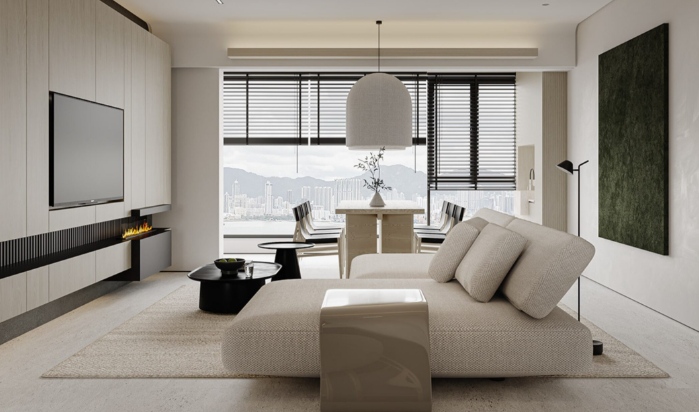
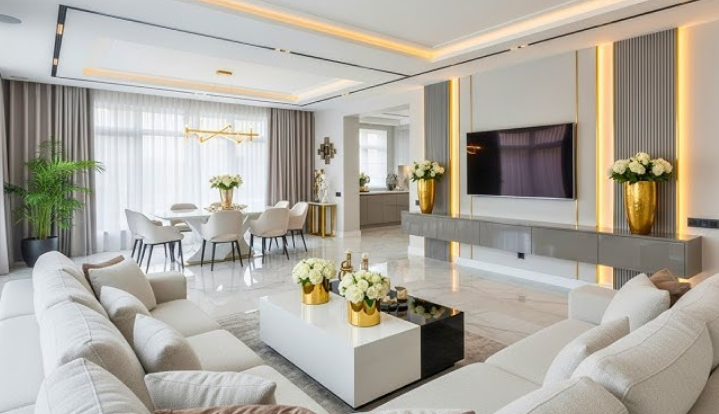
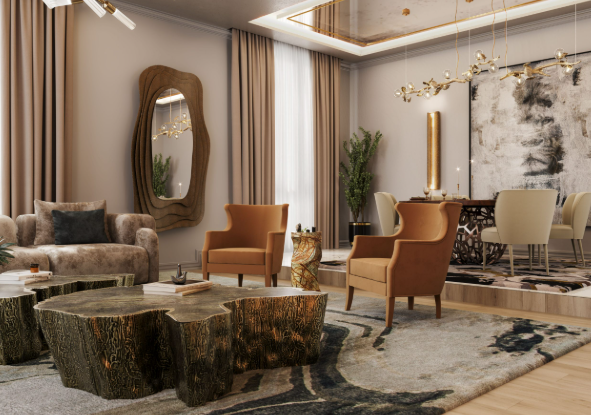
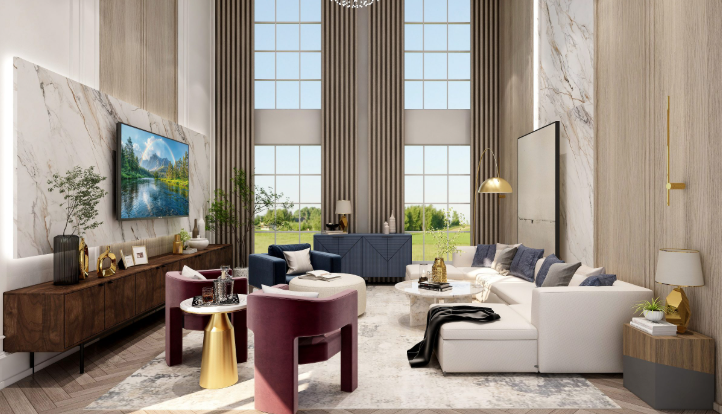
Japanese-Style Minimalist Living Room – Japanese-style minimalist living rooms have become increasingly popular in modern interior design because they combine simplicity, functionality, and natural beauty. Inspired by traditional Japanese homes and the philosophy of minimalism, this design style creates peaceful living spaces that promote relaxation, mindfulness, and harmony.
Unlike overly decorated interiors, Japanese minimalist living rooms focus on clean lines, natural materials, soft colors, and uncluttered layouts. Every furniture piece and decorative element serves a purpose, helping create a calm and balanced environment. The result is a living room that feels spacious, elegant, and deeply connected to nature.
In today’s fast-paced world, many homeowners are searching for interiors that reduce stress and improve mental well-being. Japanese minimalist design perfectly meets these needs by encouraging simplicity and intentional living. Whether you live in a small apartment or a large modern house, this design style can transform your living room into a peaceful retreat.
This article explores everything you need to know about Japanese-style minimalist living rooms, including design principles, color palettes, furniture choices, lighting ideas, decor inspiration, layout tips, and practical ways to create a serene Japanese-inspired atmosphere in your home.
What Is Japanese-Style Minimalism?
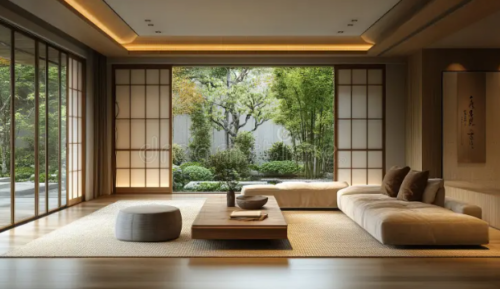
Japanese-style minimalism is an interior design philosophy inspired by traditional Japanese aesthetics and Zen principles. It emphasizes simplicity, balance, and functionality while maintaining a strong connection to nature.
The design focuses on removing unnecessary items and creating spaces that feel calm, open, and harmonious.
Key characteristics include:
- Neutral color palettes
- Natural materials
- Low-profile furniture
- Open spaces
- Minimal decoration
- Soft lighting
- Clean lines
- Functional layouts
Japanese minimalism is not about emptiness but about creating meaningful and peaceful environments.
Why Japanese Minimalist Living Rooms Are Popular
1. Creates a Relaxing Atmosphere
Japanese interiors are designed to promote calmness and mental clarity. The uncluttered layout helps reduce stress and creates a peaceful environment.
2. Perfect for Modern Homes
The simplicity of Japanese minimalism works beautifully with modern architecture and contemporary lifestyles.
3. Makes Small Spaces Feel Larger
Minimal furniture and open layouts help maximize available space, making rooms appear larger and brighter.
4. Timeless Design Style
Unlike trendy interior styles that quickly fade, Japanese minimalist design remains timeless and elegan
Core Principles of Japanese Minimalist Design
Simplicity
Simplicity is the heart of Japanese interiors. Every object should have a clear purpose and contribute to the overall harmony of the room.
Balance
Japanese design emphasizes visual balance through symmetry, proportion, and thoughtful furniture placement.
Natural Beauty
Nature plays a major role in Japanese interiors. Materials like wood, bamboo, linen, and stone help create warmth and authenticity.
Functionality
Furniture and decor should be practical and useful while maintaining aesthetic appeal.
Connection to Nature
Japanese homes often blur the line between indoor and outdoor living through natural light, plants, and organic textures.
Choosing the Perfect Color Palette
Neutral and Earthy Tones
Japanese minimalist living rooms usually feature calming and natural colors.
Popular shades include:
- White
- Beige
- Cream
- Soft gray
- Warm brown
- Taupe
- Light wood tones
These colors help create a peaceful and balanced atmosphere.
Avoiding Bold and Bright Colors
Bright and overly saturated colors are generally avoided because they can disrupt the calm aesthetic.
Instead, subtle accent colors inspired by nature are preferred.
Examples:
- Sage green
- Charcoal
- Muted blue
- Soft terracotta
Furniture Ideas for Japanese Minimalist Living Rooms
Low-Profile Sofas
Low seating is a key characteristic of Japanese interiors.
Popular options include:
- Floor sofas
- Platform sofas
- Low wooden couches
- Tatami seating
Low furniture helps create a grounded and open feeling.
Wooden Furniture
Natural wood adds warmth and authenticity to the room.
Best wood choices:
- Oak
- Walnut
- Cedar
- Bamboo
Simple wooden furniture with clean lines works best.
Multi-Functional Furniture
Japanese minimalism values practicality and efficiency.
Examples:
- Storage benches
- Foldable tables
- Hidden storage cabinets
- Convertible furniture
Minimal Coffee Tables
Choose simple coffee tables with clean shapes and natural materials.
Popular styles:
- Wooden tables
- Tatami-style tables
- Light oak finishes
- Rounded minimalist designs
Flooring Ideas for Japanese Interiors
Tatami Mats
Tatami mats are traditional Japanese flooring made from woven straw.
Benefits:
- Natural texture
- Soft underfoot
- Authentic Japanese atmosphere
Tatami mats are ideal for meditation corners or seating areas.
Light Wooden Floors
Wooden flooring creates warmth and simplicity.
Popular finishes:
- Light oak
- Ash wood
- Maple
- Bamboo flooring
Neutral Rugs
Simple area rugs can add comfort while maintaining minimalism.
Choose rugs with:
- Neutral colors
- Natural fibers
- Minimal patterns
Japanese-Style Lighting Ideas
Natural Light
Natural lighting is extremely important in Japanese interiors.
Large windows help:
- Create openness
- Improve mood
- Connect indoor and outdoor spaces
Soft Ambient Lighting
Lighting should feel warm and relaxing rather than harsh.
Best lighting choices:
- Paper lantern lamps
- Warm LED lighting
- Wooden floor lamps
- Soft pendant lights
Rice Paper Lamps
Traditional Japanese paper lamps create a soft and calming glow.
These lamps add authenticity and elegance to minimalist spaces.
Wall Design Ideas
Minimal Wall Decor
Japanese minimalism avoids excessive decoration.
Instead, use a few carefully selected pieces such as:
- Abstract artwork
- Japanese calligraphy
- Nature photography
- Simple framed prints
Wooden Wall Panels
Wooden accents add warmth and texture without overwhelming the space.
Neutral Paint Colors
Soft neutral walls help maintain a peaceful atmosphere.
Popular wall colors:
- Warm white
- Soft beige
- Light gray
Incorporating Nature into the Living Room
Indoor Plants
Plants are essential in Japanese-inspired interiors.
Popular choices:
- Bonsai trees
- Bamboo plants
- Snake plants
- Peace lilies
- Fiddle leaf figs
Plants create freshness and a stronger connection to nature.
Natural Materials
Incorporate organic materials such as:
- Wood
- Linen
- Cotton
- Stone
- Bamboo
These textures create warmth and balance.
Indoor-Outdoor Connection
Japanese homes often blend indoor and outdoor environments.
Ways to achieve this:
- Sliding glass doors
- Large windows
- Garden views
- Natural ventilation
Japanese Minimalist Decor Ideas
Simple Ceramic Vases
Minimal ceramic decor adds elegance without clutter.
Handmade Pottery
Traditional Japanese pottery enhances authenticity and craftsmanship.
Linen Cushions
Soft linen fabrics create comfort while maintaining simplicity.
Wooden Trays and Bowls
Natural wooden accessories complement the minimalist aesthetic.
Open Space and Layout Design
Decluttering Is Essential
Japanese minimalism strongly emphasizes decluttering.
Only keep items that are:
- Functional
- Meaningful
- Beautiful
Spacious Furniture Arrangement
Leave enough empty space between furniture pieces to create openness and flow.
Minimal Visual Noise
Avoid overcrowding shelves, walls, or tables with unnecessary decorations.
Japanese Zen Living Room Concepts
Creating a Meditation Corner
A meditation space can enhance the peaceful atmosphere.
Include:
- Floor cushions
- Tatami mat
- Small indoor plant
- Soft lighting
Using Calming Scents
Aromatherapy can improve relaxation.
Popular scents:
- Sandalwood
- Green tea
- Lavender
- Cedarwood
Incorporating Water Elements
Small water fountains create soothing sounds and promote tranquility.
Japanese Minimalism for Small Living Rooms
Japanese design is perfect for small spaces because it focuses on efficiency and simplicity.
Use Low Furniture
Low furniture makes ceilings appear higher and rooms feel larger.
Maximize Natural Light
Avoid heavy curtains that block sunlight.
Use Hidden Storage
Hidden storage helps maintain a clean and organized appearance.
Modern Japanese Minimalist Living Room Trends
Japandi Style
Japandi combines Japanese minimalism with Scandinavian design.
Features include:
- Neutral tones
- Cozy textures
- Functional furniture
- Minimal decor
This style has become extremely popular in modern homes.
Organic Minimalism
Organic minimalism combines natural materials with simple design principles.
Sustainable Living
Eco-friendly materials and sustainable furniture are becoming key elements of modern Japanese interiors.
Common Mistakes to Avoid
1. Overdecorating
Too many accessories disrupt the minimalist atmosphere.
2. Using Harsh Lighting
Bright white lighting can make the room feel cold and uncomfortable.
3. Ignoring Functionality
Every item should serve a practical purpose.
4. Choosing Bulky Furniture
Oversized furniture can make the room feel cramped
Budget-Friendly Japanese Minimalist Ideas
Creating a Japanese-inspired living room does not require a huge budget.
Declutter First
Minimalism starts with removing unnecessary items.
Use Affordable Natural Materials
Simple wood furniture can still create a beautiful Japanese atmosphere.
DIY Decor
Handmade decor adds personality and authenticity.
Focus on Simplicity
Minimalism often costs less because fewer items are needed.
Benefits of Japanese Minimalist Living Rooms
Reduces Stress
Clean and organized spaces promote relaxation.
Easier Maintenance
Fewer items mean less cleaning and maintenance.
Improves Focus
Minimal environments reduce distractions.
Creates Timeless Beauty
Simple interiors remain stylish for many years.
Smart Technology in Japanese Minimalist Homes
Modern Japanese interiors often integrate smart technology subtly.
Popular features:
- Smart lighting
- Hidden speakers
- Automated curtains
- Smart climate control
Technology should blend seamlessly into the minimalist design.
Seasonal Decor Ideas
Spring Inspiration
- Cherry blossom decor
- Fresh greenery
- Light fabrics
Winter Inspiration
- Warm lighting
- Cozy blankets
- Neutral textured cushions
Personalizing a Japanese Minimalist Living Room
Minimalism does not mean removing personality.
Ways to personalize the space:
- Display meaningful artwork
- Use handcrafted items
- Incorporate travel souvenirs
- Add favorite books
The key is moderation and intentional placement.
Future Trends in Japanese Minimalist Design
Japanese-inspired interiors continue evolving in modern homes.
Future trends include:
- Sustainable materials
- Smart minimalist homes
- Organic textures
- Multi-functional spaces
- Wellness-centered interiors
The focus will remain on simplicity, comfort, and mindful living.
Conclusion
Japanese-style minimalist living rooms offer the perfect balance between simplicity, functionality, and natural beauty. Inspired by Zen philosophy and traditional Japanese aesthetics, this design style creates calm and harmonious environments that support relaxation and mindful living.
By using neutral colors, natural materials, low-profile furniture, soft lighting, and uncluttered layouts, homeowners can transform their living rooms into peaceful retreats that feel timeless and elegant. Japanese minimalism is not about creating empty spaces but about designing meaningful environments where every item serves a purpose.
Whether you live in a small apartment or a spacious modern house, Japanese minimalist design can help make your living room feel more organized, spacious, and emotionally comforting. As modern lifestyles become increasingly busy and stressful, the appeal of peaceful and minimalist interiors continues to grow around the world.
A well-designed Japanese-style minimalist living room is more than just a beautiful interior—it is a lifestyle choice that encourages balance, mindfulness, and a deeper appreciation for simplicity and nature.