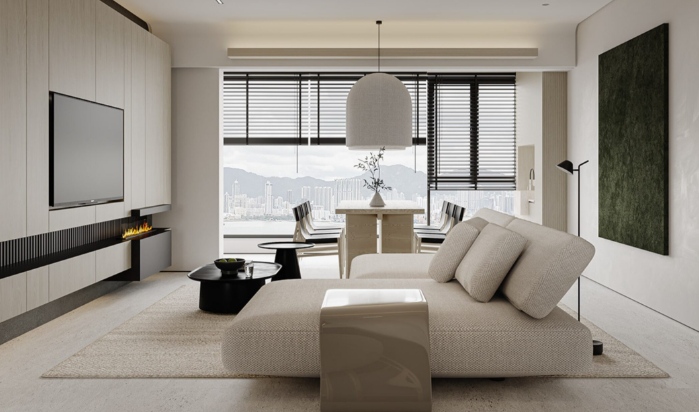
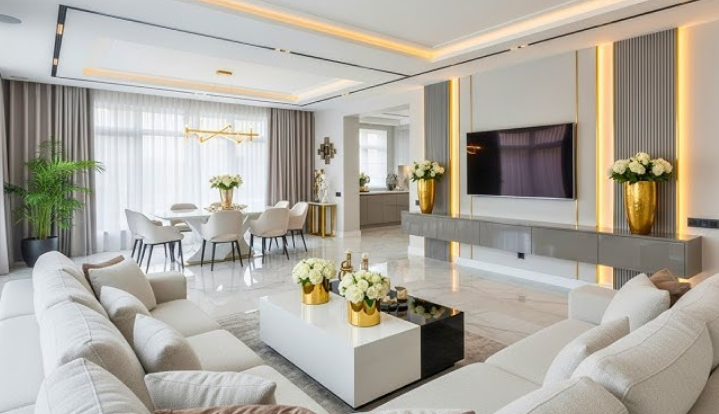
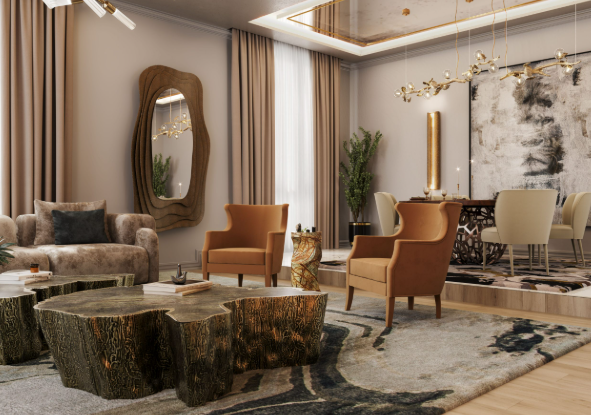
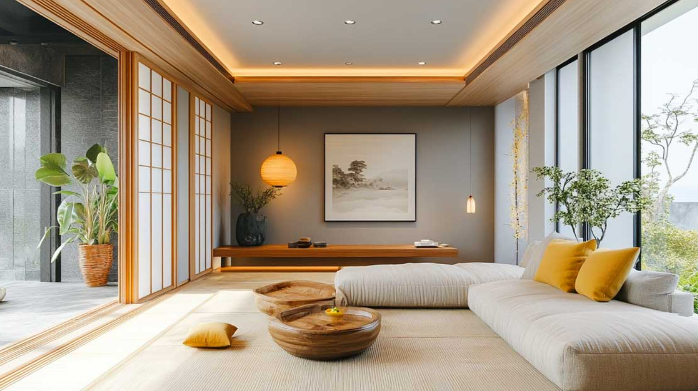
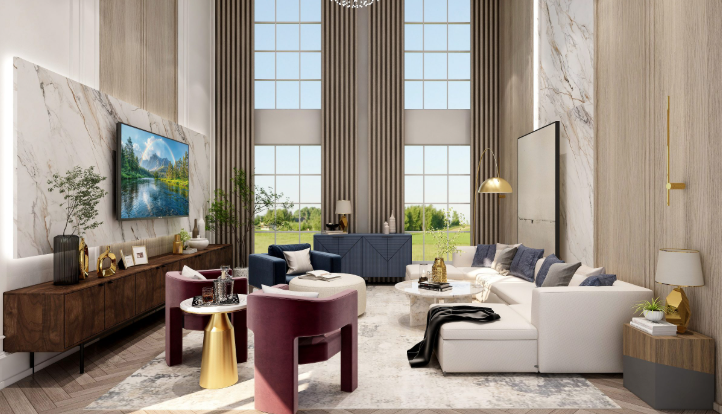
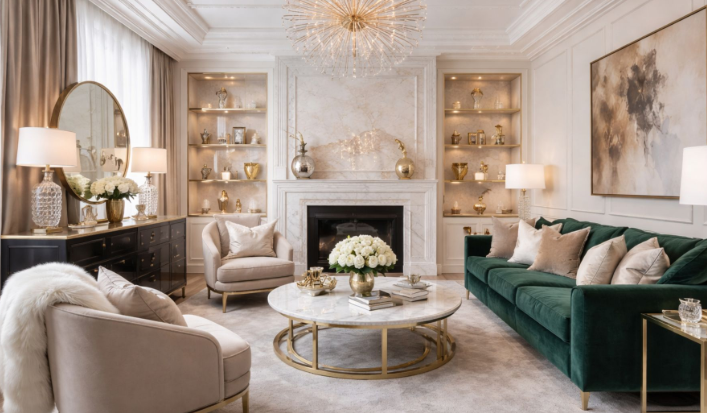
Living Room Without Sofa – For decades, sofas have been considered the centerpiece of almost every living room. They are often viewed as essential furniture pieces for comfort, relaxation, and social gatherings. However, modern interior design trends are challenging traditional layouts, and many homeowners are now embracing the idea of a living room without a sofa.
A sofa-free living room can feel more open, flexible, artistic, and unique. Whether you live in a small apartment, prefer minimalist interiors, want a Japanese-inspired design, or simply wish to create a more unconventional atmosphere, removing the sofa can completely transform your space.
In this comprehensive guide, you will discover why people choose living rooms without sofas, the benefits of this design approach, alternative seating ideas, layout inspiration, décor tips, and practical advice for creating a beautiful and comfortable living room without relying on a traditional couch.
Why Choose a Living Room Without a Sofa?
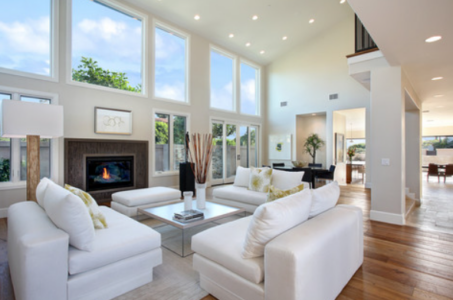
Many people assume that a living room must include a sofa, but modern lifestyles are changing the way we use our homes. A sofa-free living room offers flexibility and creativity that traditional furniture arrangements sometimes cannot provide.
Here are some of the main reasons homeowners choose this design style:
- Creates more open space
- Makes small rooms feel larger
- Encourages creative layouts
- Supports minimalist living
- Reduces furniture costs
- Offers a more unique aesthetic
- Improves flexibility for multipurpose spaces
- Encourages floor seating and relaxed environments
For some people, sofas simply take up too much room. Others prefer a more casual or nature-inspired atmosphere. In many modern homes, especially apartments and studios, multifunctional furniture has become more practical than bulky couches.
Benefits of a Sofa-Free Living Room
Designing a living room without a sofa may sound unusual at first, but it comes with many advantages.
More Open Space
Sofas are often the largest pieces of furniture in a living room. Removing them instantly creates more floor space and makes the room feel less crowded.
This is especially beneficial for:
- Small apartments
- Studio spaces
- Tiny homes
- Minimalist interiors
An open layout also improves movement throughout the room.
Greater Flexibility
Without a large sofa dominating the room, you gain freedom to rearrange furniture more easily.
You can:
- Change seating layouts frequently
- Create multipurpose areas
- Add temporary seating when needed
- Adapt the room for social gatherings or relaxation
Flexibility is one of the biggest advantages of sofa-free interiors.
Unique Interior Design
Most living rooms follow similar furniture arrangements. Removing the sofa allows you to create a more distinctive and personalized space.
A sofa-free living room can feel:
- Artistic
- Modern
- Zen-inspired
- Bohemian
- Scandinavian
- Creative and unconventional
Encourages Minimalism
Minimalist design focuses on simplicity and intentional living. Eliminating unnecessary furniture helps create a cleaner and calmer environment.
Without a bulky couch:
- The room appears more organized
- Visual clutter is reduced
- Décor elements stand out more clearly
Alternative Seating Ideas for a Living Room Without Sofa
The key to a successful sofa-free living room is choosing comfortable and functional seating alternatives.
Floor Cushions
Floor cushions are among the most popular alternatives to sofas.
Benefits of Floor Cushions
- Comfortable and casual
- Easy to move around
- Perfect for small spaces
- Ideal for bohemian or Japanese interiors
Choose oversized cushions in soft fabrics such as:
- Cotton
- Linen
- Velvet
- Knitted textures
Layering different colors and sizes creates a cozy atmosphere.
Bean Bags
Bean bags offer relaxed and playful seating options.
Modern bean bags are far more stylish than older designs and come in elegant materials like:
- Leather
- Faux fur
- Velvet
- High-quality fabric
They work particularly well in:
- Casual living rooms
- Gaming spaces
- Youthful interiors
- Family homes
Lounge Chairs
A collection of lounge chairs can replace a sofa beautifully.
Popular options include:
- Mid-century modern chairs
- Scandinavian armchairs
- Rattan lounge chairs
- Recliners
- Accent chairs
Using multiple chairs creates a conversational seating arrangement while maintaining visual openness.
Daybeds
A daybed functions as both seating and a resting space.
Why Daybeds Work Well
- Elegant appearance
- Multifunctional design
- Comfortable for lounging
- Suitable for guests
Daybeds are ideal for:
- Small apartments
- Reading corners
- Minimalist interiors
Ottoman Seating
Ottomans provide versatile seating without overwhelming the room.
You can use:
- Large upholstered ottomans
- Storage ottomans
- Poufs
- Leather cubes
Ottomans can also serve as coffee tables or footrests.
Benches
Benches create a clean and modern appearance.
Popular styles include:
- Wooden benches
- Upholstered benches
- Rustic farmhouse benches
- Scandinavian minimalist benches
Add cushions and throw pillows for extra comfort.
Japanese-Inspired Living Rooms Without Sofas
Japanese interior design has long embraced floor seating and simplicity.
Key Features
A Japanese-inspired living room often includes:
- Tatami mats
- Floor cushions
- Low wooden tables
- Neutral colors
- Natural materials
This style creates a peaceful and balanced atmosphere.
Benefits of Japanese Design
- Encourages mindfulness
- Promotes relaxation
- Maximizes space efficiency
- Creates visual harmony
Minimal furniture helps maintain tranquility and openness.
Bohemian Sofa-Free Living Room Ideas
Bohemian interiors are naturally suited for sofa-free layouts because they embrace casual comfort and layered textures.
Essential Elements
Floor Seating
Use:
- Moroccan poufs
- Oversized cushions
- Layered rugs
Natural Materials
Incorporate:
- Rattan
- Wood
- Bamboo
- Woven textiles
Plants
Indoor plants bring freshness and organic beauty.
Popular choices include:
- Monstera
- Snake plants
- Pothos
- Palms
Bohemian spaces thrive on relaxed and eclectic styling
Minimalist Living Room Without Sofa
Minimalism focuses on intentional living and uncluttered spaces.
Characteristics
A minimalist sofa-free living room often includes:
- Simple seating
- Neutral colors
- Clean lines
- Open floor space
- Limited décor
Instead of a sofa, use:
- One or two elegant chairs
- Low seating cushions
- Compact benches
The result feels airy and peaceful.
Scandinavian Sofa-Free Living Rooms
Scandinavian interiors prioritize comfort, simplicity, and functionality.
Key Design Features
Light Colors
Use:
- White
- Beige
- Soft gray
- Pale wood tones
Cozy Textures
Add:
- Wool throws
- Linen cushions
- Soft rugs
Functional Furniture
Choose furniture with practical purposes and clean designs.
Scandinavian sofa-free spaces feel warm and welcoming despite their simplicity.
Creating Comfortable Conversation Areas
One challenge of removing a sofa is maintaining a social seating arrangement.
Tips for Better Layouts
Arrange Chairs in Circles
Circular seating encourages conversation naturally.
Use Low Tables
Coffee tables help anchor the seating area.
Keep Seating Close
Avoid placing chairs too far apart.
Add Soft Textures
Comfortable fabrics help the room feel inviting.
The goal is to create intimacy without relying on a large couch.
Best Flooring for Sofa-Free Living Rooms
When floor seating becomes part of the design, flooring becomes much more important.
Rugs
Large rugs define the seating area and add comfort.
Popular choices:
- Persian rugs
- Jute rugs
- Moroccan rugs
- Plush carpets
Layered rugs create depth and warmth.
Wooden Floors
Wooden flooring works beautifully in minimalist and natural interiors.
Best options:
- Oak
- Walnut
- Bamboo
- Reclaimed wood
Wood creates a timeless and organic atmosphere.
Tatami Mats
Tatami mats are traditional Japanese flooring materials made from woven straw.
They:
- Provide comfort for floor seating
- Add cultural elegance
- Create calming aesthetics
Lighting Ideas for Sofa-Free Living Rooms
Lighting becomes even more important when the room feels open and minimal.
Floor Lamps
Floor lamps add warmth without taking much space.
Popular styles:
- Arc lamps
- Tripod lamps
- Scandinavian designs
Pendant Lights
Pendant lights create visual focus and modern elegance.
They work especially well over:
- Low tables
- Conversation areas
- Reading corners
Natural Light
Maximizing natural light helps the room feel larger and fresher.
Use:
- Sheer curtains
- Large mirrors
- Light-colored walls
Storage Solutions Without a Sofa
Traditional sofas sometimes hide storage underneath or define the room structure. Without them, smart storage becomes essential.
Floating Shelves
Floating shelves maintain openness while offering storage.
Use them for:
- Books
- Plants
- Artwork
- Decorative objects
Storage Ottomans
These multifunctional pieces provide both seating and hidden storage.
Perfect for:
- Blankets
- Magazines
- Electronics
Built-In Cabinets
Built-in storage helps keep minimalist rooms organized.
Choose simple designs that blend into the walls.
Decorating a Living Room Without Sofa
Decor plays a major role in making the room feel complete.
Cushions and Throws
Layering textiles adds softness and comfort.
Mix:
- Neutral cushions
- Patterned fabrics
- Knitted blankets
Plants
Plants prevent minimalist spaces from feeling cold.
Large plants create visual impact without clutter.
Artwork
Artwork helps establish personality and focal points.
Popular options:
- Abstract art
- Nature photography
- Minimalist prints
- Textile wall hangings
Candles and Lighting Accessories
Candles create warmth and intimacy, especially in evening settings.
Use:
- Lanterns
- Ceramic candle holders
- Soft LED lighting
Small Living Room Without Sofa
Removing the sofa can dramatically improve small spaces.
Space-Saving Ideas
Use Compact Chairs
Slim-profile chairs maintain openness.
Add Foldable Seating
Portable stools and floor cushions offer flexibility.
Choose Multifunctional Furniture
Storage benches and nesting tables maximize utility.
Keep Décor Minimal
Too many decorative items can overwhelm small rooms.
Family-Friendly Sofa-Free Living Rooms
Families with children can also benefit from sofa-free interiors.
Advantages for Families
- More play space
- Safer soft seating options
- Flexible layouts
- Easier cleaning
Soft floor cushions and bean bags create child-friendly environments.
Luxury Living Rooms Without Sofas
A sofa-free living room can still look luxurious.
Luxury Design Ideas
Statement Chairs
Use designer lounge chairs as focal points.
Marble Tables
Marble adds sophistication.
Rich Fabrics
Velvet and silk elevate the atmosphere.
Elegant Lighting
Choose dramatic chandeliers or sculptural lamps.
Luxury comes from materials, lighting, and thoughtful design rather than oversized furniture.
Common Mistakes to Avoid
Creating a sofa-free living room requires balance and planning.
Not Enough Seating
Ensure there are enough comfortable seating options for guests.
Poor Layout Planning
Avoid random furniture placement.
Create:
- Clear pathways
- Defined seating zones
- Visual balance
Ignoring Comfort
Minimalism should not sacrifice comfort.
Use:
- Soft textiles
- Ergonomic chairs
- Comfortable cushions
Too Much Empty Space
Open space is good, but excessive emptiness may feel cold.
Balance openness with:
- Rugs
- Plants
- Artwork
- Textures
Budget-Friendly Sofa-Free Living Room Ideas
You do not need a large budget to design a stylish sofa-free living room.
Affordable Solutions
DIY Pallet Seating
Wood pallets can become creative low seating.
Thrifted Chairs
Vintage chairs often add character and charm.
Floor Cushions
Affordable and versatile.
Handmade Décor
Macramé wall art and woven baskets create personality at low cost.
Eco-Friendly Sofa-Free Living Rooms
Sustainable design works naturally with minimalist and sofa-free concepts.
Sustainable Tips
- Buy secondhand furniture
- Use natural materials
- Choose organic fabrics
- Decorate with indoor plants
- Reduce unnecessary furniture purchases
Living with fewer large furniture items can reduce environmental impact.
Psychological Benefits of Sofa-Free Spaces
Interior design affects emotional well-being more than many people realize.
Increased Calmness
Open spaces feel less visually stressful.
Better Flexibility
Movable seating creates adaptable environments for changing needs.
Encourages Social Interaction
Flexible seating arrangements often feel more interactive than traditional sofa setups.
Supports Mindful Living
Minimalist spaces encourage intentional use of belongings and reduce clutter-related stress.
Future Trends in Sofa-Free Interior Design
Modern homes are becoming more adaptable and multifunctional.
Several trends support sofa-free living rooms:
- Minimalist lifestyles
- Tiny home living
- Japanese-inspired interiors
- Flexible furniture systems
- Sustainable living
As urban spaces become smaller, creative furniture alternatives continue gaining popularity.
Final Thoughts
A living room without a sofa may seem unconventional, but it offers endless possibilities for creativity, flexibility, and comfort. By replacing bulky couches with alternative seating such as lounge chairs, floor cushions, benches, bean bags, or daybeds, you can create a space that feels open, stylish, and deeply personal.
Whether you prefer minimalist elegance, bohemian warmth, Scandinavian simplicity, or Japanese-inspired tranquility, a sofa-free living room allows you to rethink traditional interior design and create a home environment that truly matches your lifestyle.
The key is finding the right balance between comfort, functionality, and aesthetics. Thoughtful seating arrangements, layered textures, warm lighting, and natural materials can transform even the simplest room into a beautiful and inviting retreat.
In the end, a living room does not need a sofa to feel complete. What truly matters is creating a space where people can relax, connect, and enjoy everyday life comfortably and beautifully.