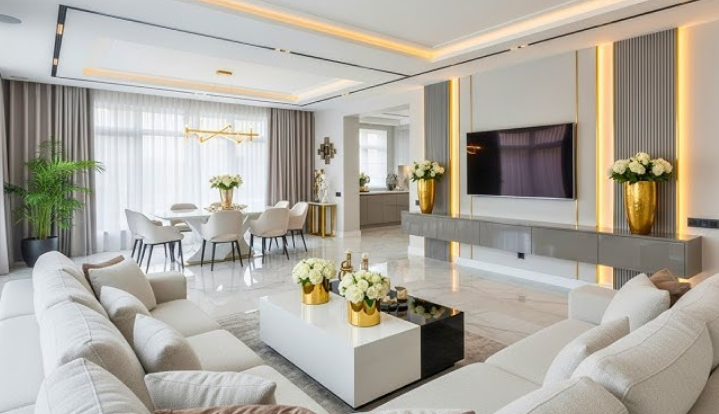
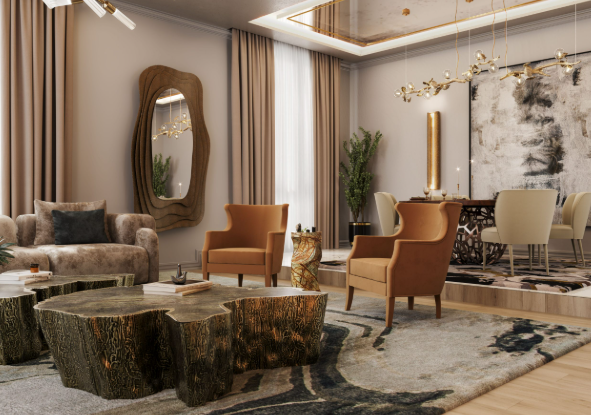
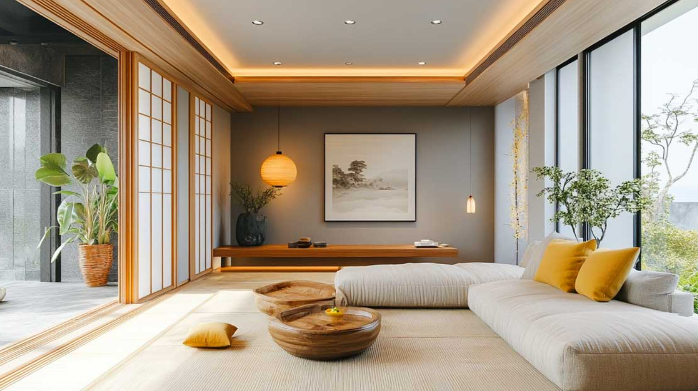
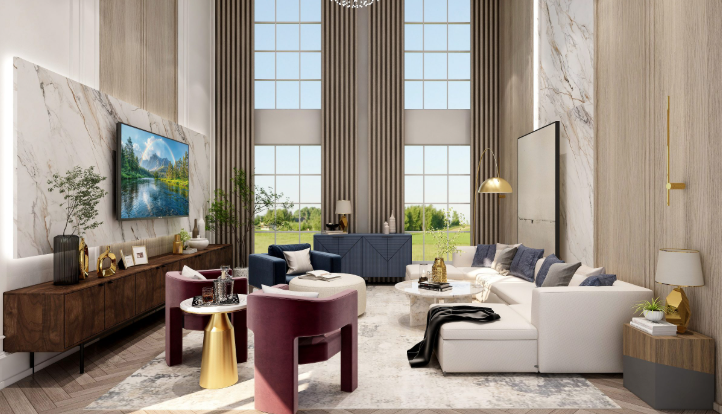
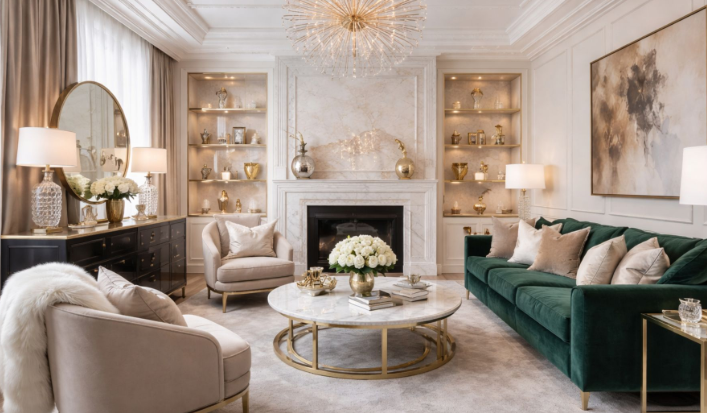
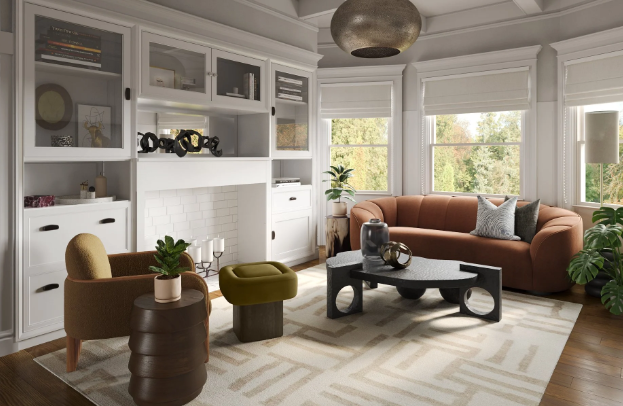
Minimalist Home Guide – Minimalist home design has become one of the most popular lifestyle and interior design trends in the modern world. As people become increasingly overwhelmed by busy schedules, digital distractions, and cluttered environments, many are turning to minimalism as a way to create more peaceful, organized, and meaningful living spaces.
A minimalist home is not simply about having fewer items or empty rooms. It is about intentional living, where every piece of furniture, decor item, and design choice serves a purpose. Minimalism focuses on simplicity, functionality, comfort, and clarity while maintaining beauty and warmth.
Modern minimalist homes are designed to reduce stress and improve everyday living. Clean lines, neutral color palettes, natural lighting, and uncluttered spaces help create calming environments that feel spacious and relaxing. Minimalist interiors also encourage homeowners to focus on quality over quantity, choosing timeless furniture and thoughtful decor instead of excessive decoration.
Whether you live in a small apartment, a modern house, or a compact urban studio, minimalist design can help transform your home into a functional and elegant retreat. This guide explores everything you need to know about minimalist homes, including design principles, room-by-room ideas, furniture tips, color palettes, storage solutions, decor inspiration, and practical ways to simplify your lifestyle.
What Is a Minimalist Home?
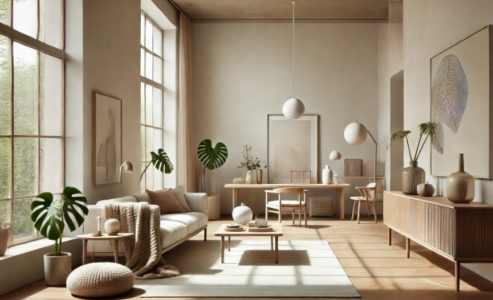
A minimalist home is a living space designed with simplicity, functionality, and intentionality in mind. It focuses on reducing unnecessary items and creating clean, organized, and visually calm environments.
Minimalist homes usually feature:
- Neutral colors
- Simple furniture
- Open layouts
- Clean lines
- Natural light
- Functional decor
- Clutter-free spaces
The goal is to create a home that feels peaceful, comfortable, and easy to maintain.
The Philosophy Behind Minimalism
Minimalism is more than an interior design style—it is a lifestyle philosophy.
The main principles include:
- Living with intention
- Reducing clutter
- Focusing on essentials
- Prioritizing quality over quantity
- Creating mental clarity
- Appreciating simplicity
Minimalism encourages people to own only what truly adds value to their lives.
Benefits of a Minimalist Home
1. Reduces Stress
Cluttered spaces often create mental overwhelm. Minimalist homes promote calmness and emotional comfort
2. Easier to Clean and Maintain
Fewer items mean less dust, cleaning, and organization work.
3. Creates More Space
Minimalist interiors feel larger and more open because unnecessary furniture and decor are removed.
4. Encourages Mindful Living
Minimalism helps homeowners focus on experiences and well-being instead of material possessions.
5. Timeless Design
Minimalist homes remain stylish for years because they rely on simple and classic design principles.
Choosing the Right Color Palette
Neutral Colors Are Essential
Most minimalist homes use soft and neutral tones.
Popular minimalist colors include:
- White
- Beige
- Light gray
- Cream
- Taupe
- Soft brown
Neutral shades create clean and calming environments
Add Subtle Accent Colors
Accent colors can add personality while maintaining simplicity.
Popular accent shades:
- Sage green
- Dusty blue
- Terracotta
- Charcoal
Use accents carefully to avoid visual clutter.
Maximizing Natural Light
The Importance of Sunlight
Natural light is one of the most important elements in minimalist homes.
Benefits include:
- Brighter spaces
- Better mood
- Spacious appearance
- Reduced energy usage
Tips to Increase Natural Light
- Use sheer curtains
- Keep windows uncluttered
- Add mirrors
- Choose light-colored walls
Large windows help create openness and connection with nature.
Minimalist Furniture Selection
Choose Functional Furniture
Every furniture piece should have a clear purpose.
Examples include:
- Storage beds
- Modular sofas
- Extendable dining tables
- Multi-functional cabinets
Focus on Clean Lines
Minimalist furniture usually features:
- Simple shapes
- Straight lines
- Neutral fabrics
- Minimal ornamentation
Invest in Quality
Minimalism values durability and timeless design over quantity.
Choose furniture made from:
- Solid wood
- Linen
- Leather
- Metal
- Natural fabrics
Decluttering Your Home
Start Small
Decluttering can feel overwhelming, so begin with one room or area at a time.
Remove Unnecessary Items
Ask yourself:
- Do I use this regularly?
- Does this add value to my life?
- Does this fit my lifestyle?
Organize Properly
Use smart storage solutions to maintain order and simplicity.
Smart Storage Solutions
Hidden Storage
Minimalist homes often use hidden storage to reduce visible clutter.
Examples include:
- Under-bed storage
- Built-in shelves
- Storage ottomans
- Wall-mounted cabinets
Open Shelving with Minimal Decor
Open shelves should remain clean and uncluttered.
Display only a few meaningful items.
Minimalist Living Room Ideas
Keep the Layout Open
Avoid overcrowding the room with excessive furniture.
Choose Neutral Furniture
Popular minimalist living room furniture includes:
- Low-profile sofas
- Wooden coffee tables
- Simple TV units
Use Minimal Decor
Decor should be intentional and subtle.
Examples:
- One large artwork
- A neutral rug
- Indoor plants
- Simple vases
Minimalist Bedroom Design
Focus on Comfort and Simplicity
A minimalist bedroom should feel calm and relaxing.
Neutral Bedding
Choose bedding in soft neutral tones such as:
- White
- Beige
- Light gray
Reduce Bedroom Clutter
Keep surfaces clean and avoid unnecessary decorations.
Minimalist Kitchen Desig
Clean and Functional Layouts
Minimalist kitchens focus on efficiency and organization.
Handleless Cabinets
Modern minimalist kitchens often use sleek handleless cabinetry.
Hidden Appliances
Integrated appliances help maintain a clean appearance.
Declutter Countertops
Keep kitchen counters as clear as possible.
Minimalist Bathroom Ideas
Use Simple Materials
Popular minimalist bathroom materials include:
- Stone
- Wood
- Concrete
- Glass
Neutral Colors and Soft Lighting
Soft lighting creates a spa-like atmosphere.
Smart Bathroom Storage
Use hidden cabinets and wall-mounted shelves to maintain organization.
Minimalist Home Office Design
Create a Clean Workspace
Minimalist workspaces improve focus and productivity.
Choose Ergonomic Furniture
Comfort remains important in minimalist design.
Reduce Visual Distractions
Keep desks organized and uncluttered.
The Role of Texture in Minimalist Homes
Minimalism does not have to feel cold or empty.
Textures help create warmth and depth.
Popular textures include:
- Linen
- Wool
- Wood
- Cotton
- Stone
- Bouclé fabric
Mixing textures prevents minimalist spaces from feeling boring.
Incorporating Nature into Minimalist Interiors
Indoor Plants
Plants bring freshness and life into minimalist homes.
Popular minimalist plants:
- Snake plant
- Monstera
- Peace lily
- Olive tree
Natural Materials
Wood and stone create warmth and authenticity.
Connection to Outdoor Spaces
Large windows and open layouts strengthen the connection between indoor and outdoor environments.
Minimalist Decor Tips
Less Is More
Minimalist decor should feel intentional and balanced.
Choose Meaningful Decor
Examples include:
- Handmade pottery
- Simple artwork
- Family photos
- Neutral ceramics
Avoid Overdecorating
Too many decorative items create visual clutter.
Minimalist Flooring Ideas
Wooden Flooring
Wood flooring adds warmth and timeless beauty
Neutral Rugs
Choose rugs with:
- Soft colors
- Minimal patterns
- Natural fibers
Large Tiles
Large-format tiles create a seamless and spacious appearance.
Minimalist Lighting Ideas
Layered Lighting
Combine different lighting sources:
- Ceiling lights
- Floor lamps
- Table lamps
- Wall sconces
Warm Lighting
Warm white lighting creates a cozy atmosphere.
Simple Lighting Fixtures
Minimalist lighting usually features clean and understated designs.
Minimalist Home Design for Small Spaces
Minimalism works especially well in small homes and apartments.
Use Multi-Functional Furniture
Examples:
- Sofa beds
- Foldable tables
- Storage benches
Maximize Vertical Space
Use wall-mounted storage and tall shelves.
Keep the Color Palette Light
Light colors help small rooms appear larger.
Minimalist Home Trends
Japandi Style
Japandi combines Japanese minimalism with Scandinavian warmth.
Organic Minimalism
This trend focuses on natural textures and earthy colors.
Sustainable Minimalism
Eco-friendly furniture and materials are becoming increasingly popular.
Common Mistakes to Avoid
1. Making the Home Feel Cold
Minimalism should still feel comfortable and welcoming.
2. Buying Cheap Furniture
Minimalism focuses on quality rather than quantity.
3. Overdecluttering
Do not remove meaningful personal items completely
4. Ignoring Functionality
Beautiful spaces should still support daily living.
Minimalist Lifestyle Habits
Minimalism extends beyond interior design.
Buy Less but Better
Choose durable and meaningful products.
Practice Regular Decluttering
Minimalist homes require consistent organization.
Focus on Experiences
Minimalism encourages people to value experiences more than possessions.
Sustainable Minimalist Living
Minimalist homes often support eco-friendly living.
Benefits include:
- Reduced waste
- Lower energy usage
- More mindful consumption
Sustainability and minimalism naturally complement each other.
Technology in Minimalist Homes
Modern minimalist homes often integrate smart technology discreetly.
Popular features include:
- Smart lighting
- Hidden charging stations
- Smart thermostats
- Voice-controlled systems
Technology should remain simple and unobtrusive.
Emotional Benefits of Minimalist Homes
Minimalist interiors can improve emotional well-being by creating environments that feel calm, organized, and balanced.
Benefits include:
- Better focus
- Reduced anxiety
- Improved sleep
- Increased productivity
A peaceful home environment supports a healthier lifestyle.
Budget-Friendly Minimalist Home Tips
Declutter Before Buying Anything
Minimalism often starts with removing rather than adding.
Rearrange Existing Furniture
Simple layout changes can transform a room.
DIY Minimal Decor
Handmade minimalist decor can be affordable and meaningful.
Invest Slowly
Build your minimalist home gradually over time.
Future of Minimalist Home Design
Minimalism continues evolving with modern lifestyles.
Future trends may include:
- Smart minimalist homes
- Sustainable materials
- Wellness-focused interiors
- Flexible living spaces
- Nature-inspired design
Minimalism will likely remain popular because it supports both beauty and well-being.
Conclusion
A minimalist home is more than a design trend—it is a lifestyle that promotes simplicity, clarity, and intentional living. By focusing on functionality, neutral colors, clean lines, and thoughtful organization, minimalist interiors create calm and comfortable environments that improve everyday life.
Minimalist homes help reduce stress, simplify maintenance, and encourage people to focus on what truly matters. Whether through decluttering, choosing quality furniture, maximizing natural light, or incorporating natural materials, every design decision contributes to a peaceful and balanced atmosphere.
Modern minimalist design is also becoming warmer and more personalized through organic textures, cozy materials, and meaningful decor. Homeowners no longer seek empty spaces but rather harmonious environments that combine beauty, comfort, and practicality.
Whether you are redesigning an entire house or simply simplifying one room, adopting minimalist principles can help transform your home into a timeless and peaceful sanctuary that supports both physical comfort and emotional well-being for years to come.