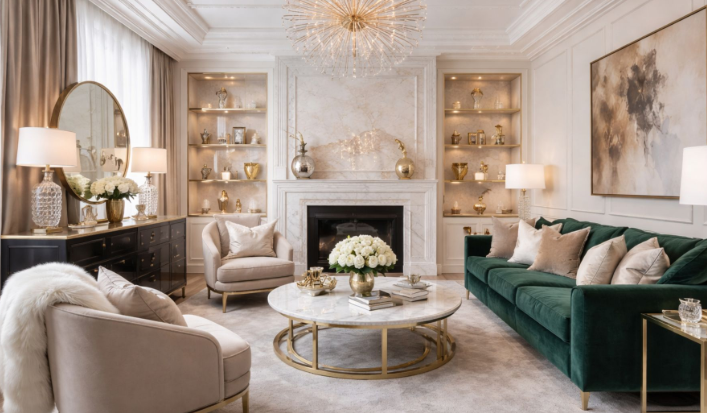
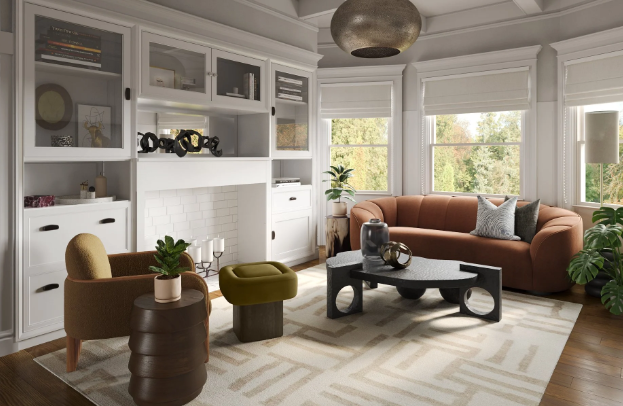
Interior Design Tips to Transform – Interior design plays an important role in shaping the atmosphere, comfort, and functionality of a home. A well-designed interior does more than simply look beautiful—it improves the way people live, relax, work, and interact within their environment. Whether you live in a small apartment, a modern house, or a luxury residence, thoughtful interior design can completely transform your living space.
Many homeowners believe that creating a stylish home requires a large budget or professional designers. However, with the right interior design tips, even simple changes can make a dramatic difference. From choosing the right color palette and furniture layout to improving lighting and adding textures, every design element contributes to the overall appearance and feel of a room.
Modern interior design is no longer only about aesthetics. Today, people also focus on comfort, functionality, sustainability, and personalization. Homes are becoming more flexible spaces where people work, entertain guests, spend time with family, and relax after busy days. Because of this, interior design must combine practicality with beauty.
This article explores comprehensive interior design tips to help transform your home into a stylish, comfortable, and functional space. Whether you want a minimalist atmosphere, luxurious interiors, cozy rooms, or modern elegance, these ideas can help you create the perfect environment for your lifestyle.
Understand Your Interior Design Style
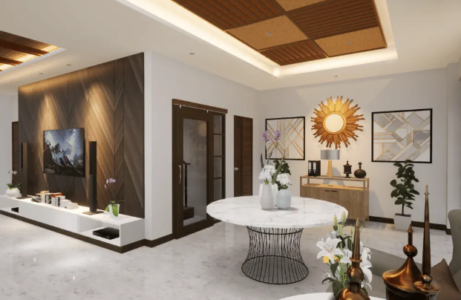
Before decorating your home, it is important to identify the design style that matches your personality and lifestyle.
Popular interior design styles include:
- Modern
- Minimalist
- Scandinavian
- Industrial
- Contemporary
- Japandi
- Bohemian
- Farmhouse
- Luxury glam
- Mid-century modern
Choosing a clear style helps create consistency throughout your home
Start with a Neutral Color Palette
Why Neutral Colors Work
Neutral colors create a timeless and elegant foundation for interior design.
Popular neutral shades include:
- White
- Beige
- Gray
- Cream
- Taupe
- Soft brown
Neutral tones make spaces feel larger, cleaner, and more relaxing.
Add Accent Colors Carefull
Accent colors help add personality and visual interest.
Popular accent choices:
- Navy blue
- Emerald green
- Terracotta
- Mustard yellow
- Black
Use accent colors through:
- Throw pillows
- Rugs
- Artwork
- Decorative accessories
Improve Natural Lighting
Maximize Sunlight
Natural light instantly makes rooms feel more spacious and welcoming.
Ways to improve natural light:
- Use sheer curtains
- Keep windows clean
- Place mirrors strategically
- Avoid blocking windows with large furniture
Choose the Right Artificial Lighting
Lighting affects mood and functionality.
Layer your lighting with:
- Ceiling lights
- Floor lamps
- Table lamps
- Wall sconces
- Accent lighting
Warm lighting creates a cozy and inviting atmosphere
Use Mirrors to Transform Spaces
Mirrors are one of the most effective interior design tools.
Benefits of mirrors:
- Reflect natural light
- Make rooms appear larger
- Add elegance
- Create visual depth
Popular mirror styles:
- Oversized mirrors
- Round mirrors
- Frameless mirrors
- Metallic-framed mirrors
Declutter and Organize
The Importance of Decluttering
A cluttered room feels stressful and visually overwhelming.
Decluttering helps:
- Improve organization
- Increase functionality
- Create calm environments
- Make rooms appear larger
Smart Storage Solutions
Use storage that is both practical and stylish.
Examples include:
- Storage ottomans
- Floating shelves
- Built-in cabinets
- Under-bed storage
- Multi-functional furniture
Choose Furniture Wisely
Prioritize Comfort and Functionality
Furniture should be both beautiful and practical.
When selecting furniture, consider:
- Room size
- Comfort
- Material quality
- Durability
- Functionality
Avoid Overcrowding Rooms
Too much furniture makes spaces feel cramped. Interior Design Tips to Transform
Leave enough open space for easy movement and visual balance.
Invest in Statement Pieces
A statement piece can transform the entire room.
Examples:
- Luxury sofa
- Designer coffee table
- Bold artwork
- Elegant chandelier
Focus on Furniture Layout
Create Conversation Areas
Arrange seating to encourage interaction and comfort.
For example:
- Face sofas toward each other
- Use rugs to define spaces
- Keep pathways clear
Maintain Proper Scale
Furniture should fit the size of the room.
Large furniture in small spaces can feel overwhelming.
Add Texture for Depth and Warmth
Texture makes interiors feel more layered and visually interesting.
Popular textures include:
- Velvet
- Linen
- Leather
- Wood
- Marble
- Faux fur
- Woven fabrics
Mixing textures creates a sophisticated and balanced design.
Incorporate Natural Materials
Natural materials help create warmth and timeless beauty.
Examples include:
- Wooden furniture
- Stone countertops
- Bamboo decor
- Cotton fabrics
- Linen curtains
Nature-inspired interiors feel calming and organic.
Upgrade Your Walls
Use Paint Strategically
Paint is one of the easiest ways to transform a room.
Popular paint ideas:
- Accent walls
- Neutral tones
- Dark dramatic colors
- Soft earthy shades
Add Wall Art
Artwork adds personality and style.
Popular wall decor:
- Abstract paintings
- Black-and-white photography
- Minimalist prints
- Gallery walls
Install Decorative Panels
Wall panels create texture and luxury.
Popular options:
- Wooden slats
- Wainscoting
- Textured wallpaper
- Stone panels
Choose Stylish Flooring
Hardwood Flooring
Wood flooring adds warmth and timeless appeal
Area Rugs
Rugs help define spaces and add comfort.
Popular rug styles:
- Neutral rugs
- Geometric patterns
- Plush carpets
- Vintage rugs
Tile Flooring
Tiles are durable and ideal for modern interiors.
Popular finishes:
- Marble-look tiles
- Matte finishes
- Large-format tiles
Add Indoor Plants
Plants instantly improve interior aesthetics.
Benefits of indoor plants:
- Improve air quality
- Add freshness
- Create calming environments
- Enhance natural beauty
Popular indoor plants:
- Monstera
- Snake plant
- Fiddle leaf fig
- Peace lily
- Potho
Create a Focal Point
Every room should have a focal point that attracts attention.
Examples include:
- Fireplace
- Large artwork
- Statement lighting
- Feature wall
- Elegant sofa
A focal point gives the room structure and visual balance.
Use Layered Decor
Layering decor creates depth and sophistication.
Examples:
- Pillows on sofas
- Blankets over chairs
- Decorative trays
- Candles and vases
Layering helps rooms feel cozy and complete.
Personalize Your Space
A home should reflect your personality.
Ways to personalize interiors:
- Family photos
- Travel souvenirs
- Handmade decor
- Favorite books
- Custom artwork
Personal touches make the space unique and meaningful.
Create Functional Spaces
Modern homes often serve multiple purposes.
Examples:
- Home office corners
- Reading nooks
- Relaxation spaces
- Entertainment areas
Functional design improves daily living.
Interior Design Tips for Small Spaces
Use Light Colors
Light shades make small rooms appear larger.
Choose Multi-Functional Furniture
Examples:
- Sofa beds
- Folding tables
- Storage benches
Maximize Vertical Space
Use tall shelves and wall-mounted storage to save floor space.
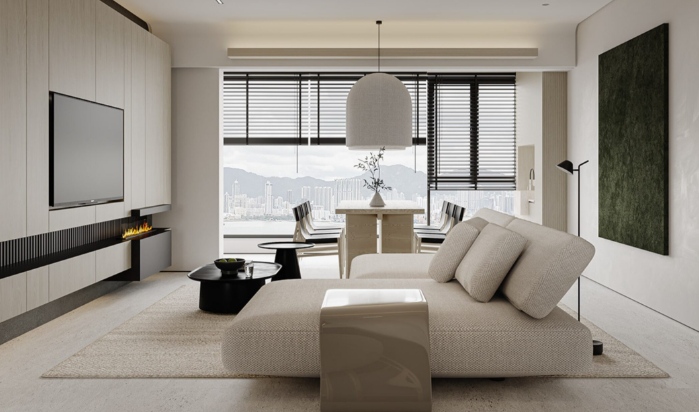
Modern Minimalist Interior Tips
Minimalism focuses on simplicity and functionality.
Key principles:
- Clean lines
- Neutral colors
- Minimal clutter
- Functional furniture
Minimalist interiors feel calm and organized.
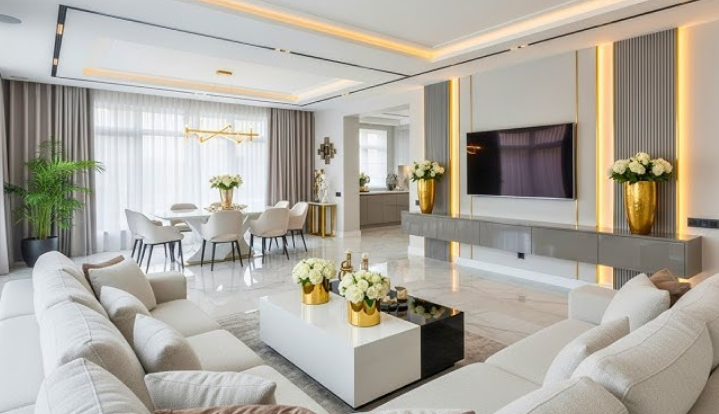
Luxury Interior Design Tips
Luxury interiors focus on elegance and quality.
Key elements include:
- High-end materials
- Statement lighting
- Marble surfaces
- Metallic accents
- Plush fabrics
Luxury design does not always require excessive decoration.
Scandinavian Interior Design Tips
Scandinavian interiors combine simplicity and comfort.
Characteristics include:
- Light wood tones
- White walls
- Cozy textiles
- Functional furniture
This style creates bright and welcoming spaces.
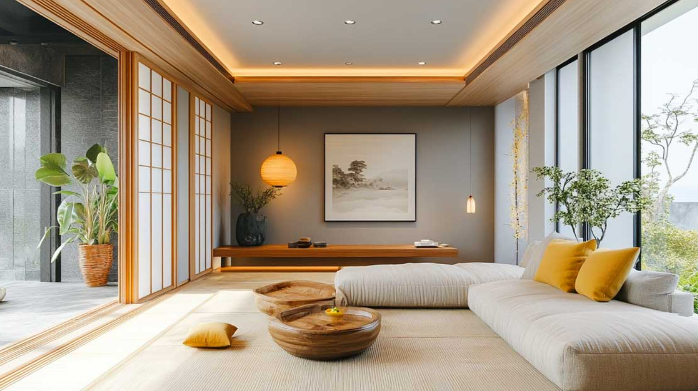
Japandi Interior Design Ideas
Japandi combines Japanese minimalism with Scandinavian warmth.
Features include:
- Natural materials
- Neutral palettes
- Clean lines
- Soft textures
Japandi is becoming one of the most popular modern interior styles.
Smart Home Technology Integration
Modern interior design often includes smart technology.
Popular smart features:
- Smart lighting
- Automated curtains
- Smart thermostats
- Voice-controlled systems
Technology improves comfort and convenience.
Sustainable Interior Design Tips
Eco-friendly design is increasingly important.
Ways to create sustainable interiors:
- Use recycled materials
- Buy durable furniture
- Choose energy-efficient lighting
- Incorporate natural fabrics
Sustainable homes are healthier and environmentally friendly.
Seasonal Interior Updates
Refreshing interiors seasonally keeps spaces feeling new.
Spring Updates
- Fresh flowers
- Light fabrics
- Bright accents
Winter Updates
- Cozy blankets
- Warm lighting
- Textured pillows
Common Interior Design Mistakes to Avoid
1. Poor Lighting
Insufficient lighting makes rooms feel dull and uncomfortable.
2. Overdecorating
Too many decorations create clutter.
3. Ignoring Scale and Proportion
Furniture should fit the room size properly.
4. Choosing Style Over Comfort
Beautiful interiors should still feel comfortable and practical.
Budget-Friendly Interior Design Tips
Transforming a home does not always require a large budget.
Rearrange Furniture
Simple layout changes can make rooms feel completely different.
DIY Decor Projects
Affordable DIY ideas include:
- Painting furniture
- Creating wall art
- Installing shelves
- Updating cabinet handles
Shop Second-Hand
Vintage and second-hand furniture can add charm and character.
Focus on Key Upgrades
Invest in impactful changes such as:
- Lighting
- Paint
- Rugs
- Curtains
The Importance of Balance in Interior Design
Balance helps create visually harmonious spaces.
Types of balance include:
- Symmetrical balance
- Asymmetrical balance
- Radial balance
Balanced rooms feel more comfortable and aesthetically pleasing.
Future Interior Design Trends
Interior design trends continue evolving.
Popular future trends include:
- Organic modern interiors
- Wellness-focused spaces
- Smart home integration
- Sustainable materials
- Curved furniture
- Earth-tone palettes
Homes are becoming more personalized and wellness-oriented.
Creating Emotional Comfort Through Design
Interior design affects emotions and mental well-being.
Comfortable interiors can:
- Reduce stress
- Improve mood
- Encourage relaxation
- Increase productivity
A beautiful home should support both physical and emotional comfort.
Conclusion
Interior design has the power to completely transform a home into a stylish, functional, and comfortable living space. From choosing the right colors and furniture to improving lighting and incorporating natural materials, every design decision contributes to the overall atmosphere of a room.
Whether you prefer minimalist simplicity, luxurious elegance, Scandinavian warmth, or modern sophistication, thoughtful interior design allows you to create spaces that reflect your personality and support your lifestyle. The key is balancing beauty with functionality while maintaining comfort and harmony throughout the home.
Even small changes such as rearranging furniture, adding mirrors, improving lighting, or decluttering can dramatically improve the appearance and feel of your living space. Interior design is not only about following trends—it is about creating environments where people feel happy, relaxed, and inspired every day.
By applying these interior design tips, homeowners can transform ordinary rooms into beautiful and meaningful spaces that enhance daily life and provide lasting comfort for years to come.