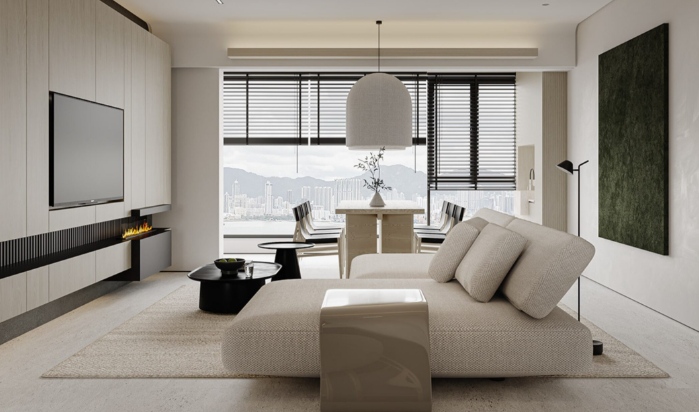
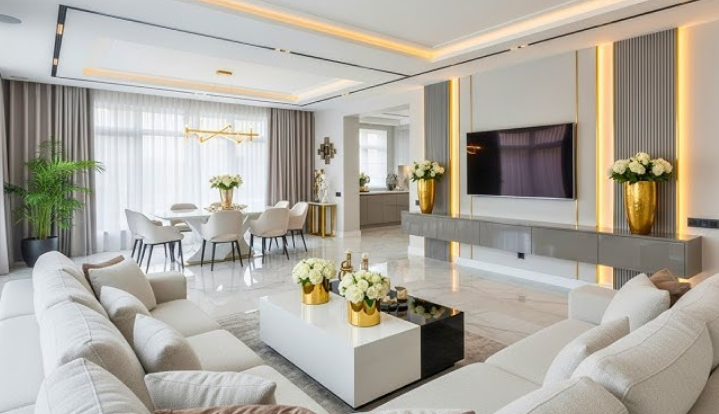
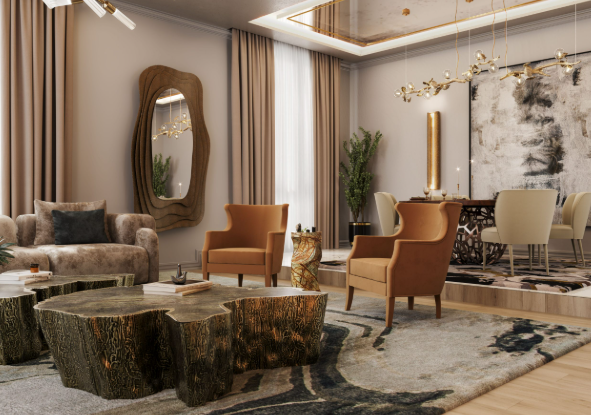
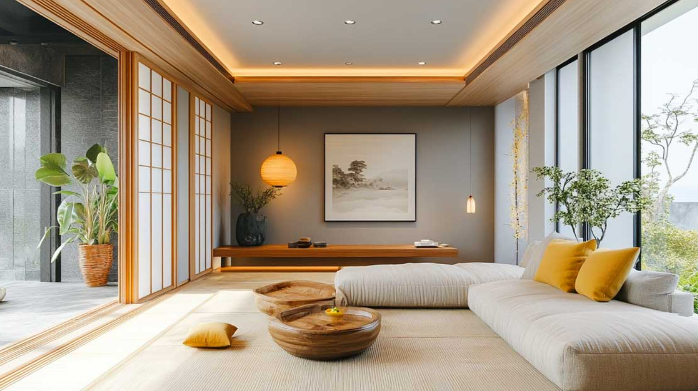
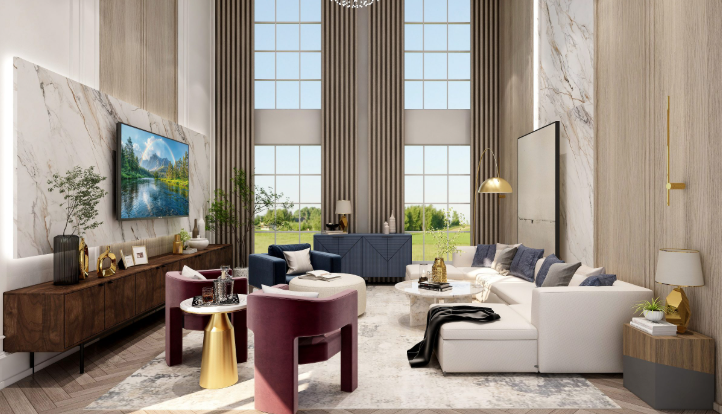
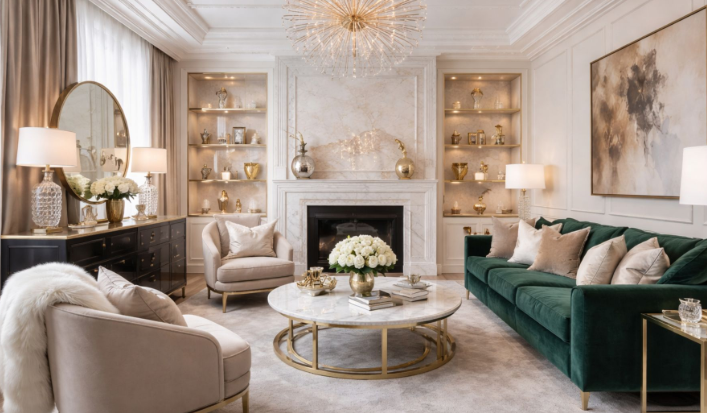
Minimalist Living Room Designs – Minimalist living room design has become one of the most influential interior styles in modern homes. It is built on the philosophy that “less is more,” focusing on simplicity, functionality, and clarity. Rather than filling a space with decorative items, minimalist design emphasizes clean lines, open space, and intentional choices.
A minimalist living room is not about making a space empty or cold. Instead, it is about creating calm, order, and balance. Every item has a purpose, and every detail contributes to a sense of harmony.
In this comprehensive guide, we will explore minimalist living room design principles, color palettes, furniture ideas, layout strategies, lighting techniques, and practical tips to help you create a serene and stylish living space.
What Is a Minimalist Living Room?
A minimalist living room is an interior space designed with simplicity, functionality, and intentionality in mind. It removes unnecessary clutter and focuses only on essential elements that support comfort and usability.
Key characteristics include:
- Clean and simple lines
- Neutral and calming color palettes
- Functional furniture with minimal decoration
- Open and uncluttered spaces
- Focus on natural light
- Limited but meaningful décor
The goal is to create a peaceful environment that reduces visual noise and enhances mental clarity.
Core Principles of Minimalist Living Room Design
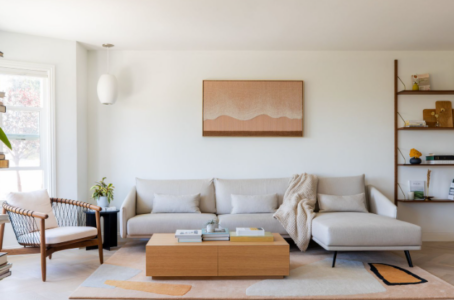
1. “Less Is More” Philosophy
Minimalism focuses on reducing excess and keeping only what is necessary and meaningful.
2. Functionality First
Every item in the room should serve a purpose—either functional or emotional.
3. Visual Calmness
Spaces are designed to feel peaceful and free from distraction.
4. Clean Lines and Simplicity
Furniture and architecture avoid unnecessary ornamentation.
5. Intentional Design
Each element is carefully selected rather than randomly added.
Minimalist Color Palette Ideas
Neutral Base Colors
The foundation of minimalist design includes:
- White
- Off-white
- Beige
- Light gray
- Soft taupe
These colors create a clean and airy atmosphere.
Monochromatic Schemes
Using different shades of one color adds depth while maintaining simplicity.
Black Accents
Black is used sparingly to create contrast and definition.
Earth Tones
Soft browns, sand tones, and muted greens bring warmth to minimal spaces
Minimalist Living Room Furniture Ideas
Simple Sofas
Choose sofas with clean silhouettes, straight lines, and neutral upholstery.
Functional Coffee Tables
Opt for simple shapes such as rectangular, round, or oval designs.
Low-Profile Furniture
Low furniture enhances openness and flow.
Multi-Functional Pieces
Furniture with hidden storage helps maintain cleanliness.
Avoid Over-Decorated Designs
Minimalism avoids excessive carvings, patterns, or embellishments.
Minimalist Living Room Layout Ideas
Open Space Layout
Keep furniture spaced out to maintain openness.
Functional Zoning
Define areas subtly using rugs or furniture placement.
Symmetry and Balance
Arrange furniture in a balanced and harmonious way.
Floating Furniture
Avoid pushing all furniture against walls for a more dynamic layout.
Lighting in Minimalist Living Rooms
Lighting plays a crucial role in shaping the atmosphere.
Natural Light Priority
Large windows and minimal curtains maximize daylight.
Soft Artificial Lighting
Use warm, diffused lighting for evening comfort.
Layered Lighting
Combine ceiling lights, floor lamps, and task lighting.
Simple Fixtures
Choose lighting with clean, geometric designs.
Materials and Textures in Minimalist Design
Natural Wood
Adds warmth and softness to clean interiors.
Glass and Metal
Provide a modern, sleek look.
Stone and Concrete
Introduce texture and subtle industrial character.
Soft Fabrics
Use linen, cotton, and wool to soften the space.
Minimalist Living Room Décor Ideas
Limited Artwork
Choose one or two impactful pieces instead of many small decorations.
Indoor Plants
A few well-placed plants add life and freshness.
Sculptural Objects
Simple, abstract décor pieces enhance visual interest.
Mirrors
Used to reflect light and expand space.
Minimalist Storage Solutions
Built-In Cabinets
Keep clutter hidden and maintain clean surfaces.
Hidden Storage Furniture
Use ottomans or coffee tables with storage compartments.
Wall Shelves
Simple, floating shelves reduce floor clutter.
Organized Systems
Everything should have a designated place.
Small Minimalist Living Room Ideas
Light Colors
White and soft neutrals make spaces feel larger.
Compact Furniture
Choose smaller, functional pieces.
Vertical Storage
Use walls efficiently for storage.
Reduce Visual Noise
Keep décor minimal and intentional.
Modern Minimalist Style Variations
Scandinavian Minimalism
Combines simplicity with warmth and natural textures.
Japanese Minimalism
Focuses on Zen principles and natural harmony.
Industrial Minimalism
Adds raw materials like metal and concrete.
Luxury Minimalism
Uses high-end materials with simple design.
Minimalist Coffee Table Styling
Keep It Simple
Avoid cluttering the surface.
Functional Décor Only
Use items like books, candles, or small plants.
Clean Arrangement
Focus on balance and spacing.
Minimalist Wall Design Ideas
Plain White Walls
A classic minimalist choice.
Subtle Accent Walls
Use soft gray or natural wood textures.
Minimal Art
Simple abstract or geometric artwork.
No Excess Decoration
Walls should feel open and uncluttered.
Minimalist Living Room Atmosphere
Calm and Peaceful
Designed to reduce stress and distractions.
Organized and Clean
Everything has a place.
Open and Airy
Spaces feel breathable and light.
Common Minimalist Design Mistakes
Overdecorating
Too many items defeat the purpose of minimalism.
Ignoring Warmth
Spaces can feel cold without texture or warmth.
Poor Lighting
Insufficient lighting reduces comfort.
Lack of Personality
Minimalism should still reflect the homeowner.
Budget-Friendly Minimalist Ideas
Minimalism is naturally budget-friendly:
- Declutter existing items
- Use neutral paint colors
- Rearrange furniture
- Buy fewer but higher-quality pieces
- Focus on natural light
Minimalist Living Room Plants and Greenery
Best Plant Choices:
- Snake plant
- Monstera
- Rubber plant
- Peace lily
Styling Tips:
- Use simple pots
- Avoid overcrowding
- Place in well-lit corners
Why Minimalist Living Room Design Is Popular
Minimalist design is popular because it:
- Reduces stress and clutter
- Creates calm environments
- Enhances focus and clarity
- Is timeless and adaptable
- Works well in small and large spaces
It aligns perfectly with modern lifestyles that value simplicity and efficiency.
Final Thoughts
Minimalist living room design is more than an aesthetic—it is a lifestyle choice. It encourages simplicity, clarity, and intentional living. By removing excess and focusing on essentials, you create a space that feels calm, balanced, and highly functional.
The beauty of minimalism lies in its restraint. Every piece matters, every detail has purpose, and nothing is unnecessary.
With the right balance of light, texture, and thoughtful design, a minimalist living room can become one of the most peaceful and elegant spaces in your home—a place where simplicity truly enhances everyday living.