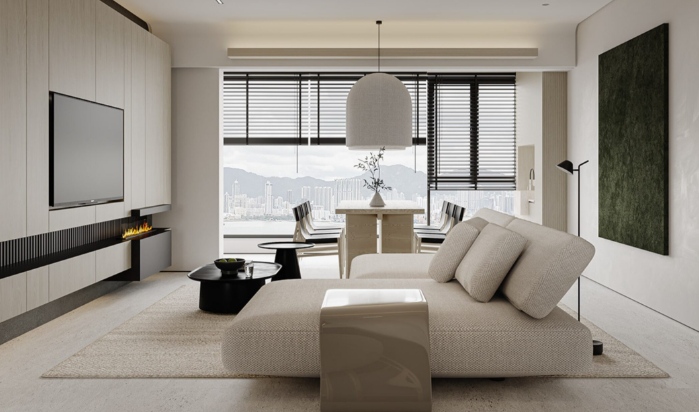
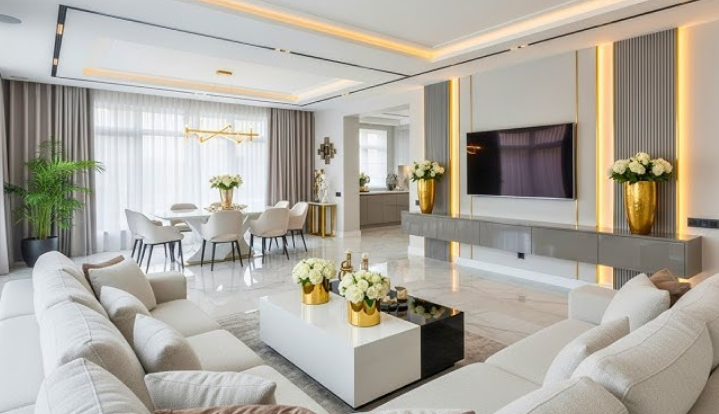
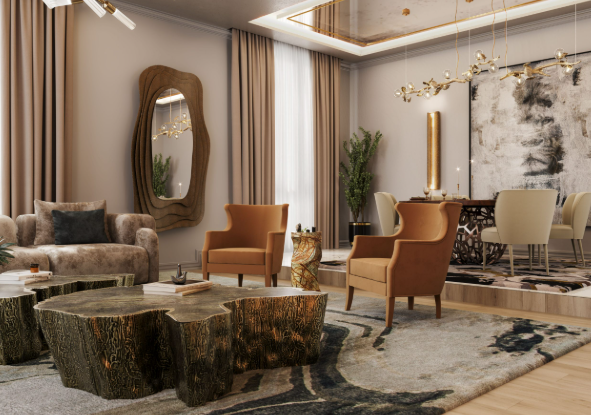
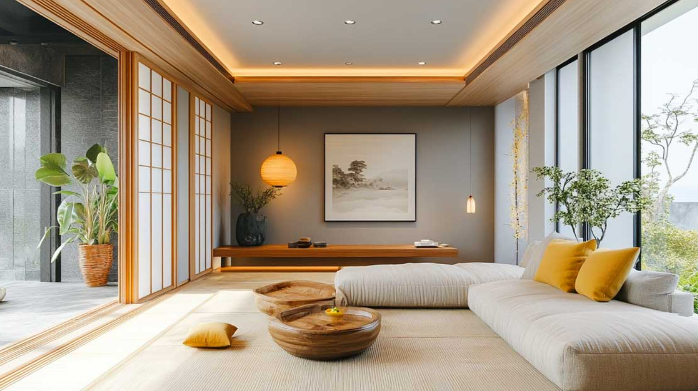
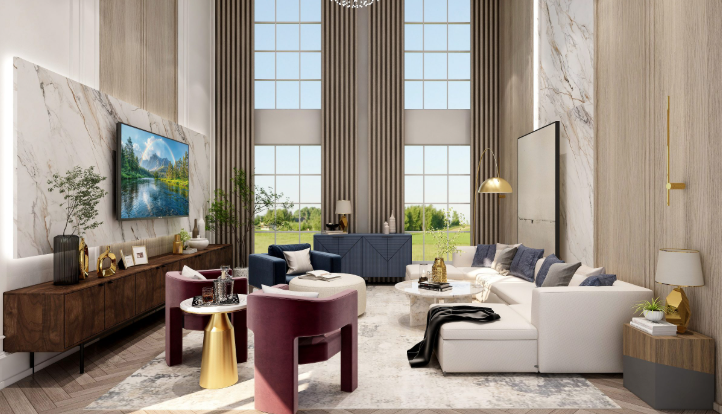
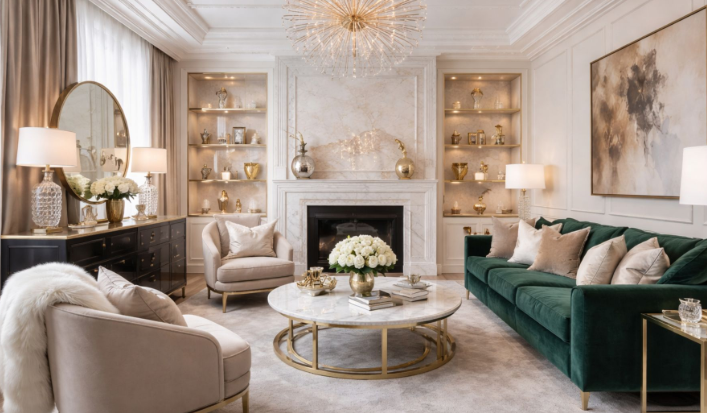
The living room is the heart of the home—a place for relaxation, entertainment, and connection. In modern interior design, the contemporary living room stands out as one of the most popular and versatile styles. It reflects current trends while maintaining a timeless sense of balance, comfort, and sophistication.
Contemporary living room design is not tied to a single fixed aesthetic. Instead, it evolves with time, blending elements of minimalism, modernism, and even natural or industrial influences. The result is a flexible style that feels fresh, functional, and visually appealing.
In this comprehensive guide, we will explore the principles of contemporary living room design, essential elements, layout strategies, décor ideas, and practical tips to help you create a stylish and livable space.
What Is Contemporary Living Room Design?
Contemporary living room design refers to a style that reflects the present moment. Unlike “modern” design, which refers to a specific historical movement, contemporary design is fluid and constantly evolving.
Key characteristics include:
- Clean lines and simple forms
- Neutral color palettes with bold accents
- Open and airy layouts
- Minimal yet intentional décor
- A mix of natural and modern materials
- Focus on comfort and functionality
The goal is to create a space that feels current, uncluttered, and adaptable to changing lifestyles.
Core Principles of Contemporary Living Room Design
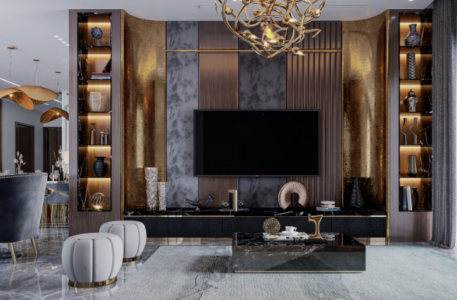
1. Simplicity and Clean Design
Contemporary interiors emphasize simplicity. Furniture and décor are sleek, with minimal ornamentation.
2. Functionality First
Every element in the room should serve a purpose. Even decorative items often have functional value.
3. Open Space and Flow
Contemporary living rooms often feature open layouts that connect seamlessly with dining or kitchen areas.
4. Neutral Foundations
A neutral base allows flexibility in styling and seasonal updates.
5. Subtle Contrast
Contrast in textures, colors, and materials adds depth without overwhelming the space.
Color Schemes in Contemporary Living Rooms
Neutral Base Colors
White, beige, gray, and taupe form the foundation of contemporary interiors. These shades create a calm and balanced environment.
Accent Colors
Bold accents such as navy, emerald green, mustard, or black add personality and visual interest.
Monochromatic Palettes
Using variations of a single color creates a sophisticated and cohesive look.
Earth Tones
Warm browns, terracotta, and olive green bring a natural and grounded feel.
Furniture Selection for Contemporary Living Rooms
Clean-Lined Sofas
Choose sofas with simple silhouettes and minimal detailing. Neutral upholstery works best.
Functional Coffee Tables
Glass, wood, or metal coffee tables with simple designs maintain visual clarity.
Modular Seating
Modular furniture allows flexibility in arrangement and usage.
Statement Chairs
A single bold chair can act as a focal point in the room.
Avoid Overcrowding
Limit furniture to essential pieces to maintain openness.
Layout Ideas for Contemporary Living Rooms
Open Concept Layouts
Combine living, dining, and kitchen areas for a seamless flow.
Zoned Spaces
Use rugs or furniture placement to define different functional areas.
Symmetrical Arrangements
Balance furniture on both sides of a central focal point like a TV or fireplace.
Floating Furniture
Avoid pushing everything against walls; floating layouts create depth.
Lighting in Contemporary Living Rooms
Lighting is essential in shaping mood and functionality.
Layered Lighting Approach
Combine three types of lighting:
- Ambient lighting for overall illumination
- Task lighting for specific activities
- Accent lighting for atmosphere
Statement Fixtures
Pendant lights or sculptural chandeliers act as design features.
Natural Light
Large windows and minimal window treatments maximize daylight.
LED Technology
Energy-efficient lighting systems enhance flexibility and control.
Materials and Textures
Natural Materials
Wood, stone, and linen bring warmth and balance.
Industrial Elements
Metal, concrete, and glass add a modern edge.
Soft Textures
Rugs, cushions, and curtains soften the overall look.
Mixed Finishes
Combining matte and glossy surfaces adds depth.
Contemporary Living Room Décor Ideas
Minimal Artwork
Large-scale art pieces or simple abstract designs work best.
Indoor Plants
Greenery adds freshness and improves air quality.
Sculptural Objects
Decorative items with unique shapes enhance visual interest.
Mirrors
Mirrors help reflect light and make spaces feel larger.
TV and Entertainment Setup
Wall-Mounted TVs
Save space and maintain clean lines.
Hidden Storage
Conceal cables and devices for a clutter-free look.
Built-In Units
Custom shelving integrates entertainment systems seamlessly.
Contemporary Living Room Storage Solutions
Floating Shelves
Keep the floor space open and airy.
Built-In Cabinets
Provide hidden storage while maintaining a sleek appearance.
Multi-Functional Furniture
Use ottomans or coffee tables with storage compartments.
Small Contemporary Living Room Ideas
Light Color Palettes
Use whites and soft neutrals to expand visual space.
Minimal Furniture
Choose fewer but more functional pieces.
Mirrors and Glass
Enhance light and openness.
Vertical Space Usage
Install tall shelves or wall-mounted storage.
Contemporary Style Variations
Modern Contemporary
Focuses on sleek lines and high-tech integration.
Industrial Contemporary
Combines raw materials like brick and metal.
Scandinavian Contemporary
Emphasizes simplicity, light colors, and natural materials.
Luxury Contemporary
Incorporates premium materials and elegant finishes.
Common Mistakes to Avoid
Overdecorating
Too many items disrupt the clean aesthetic.
Ignoring Balance
Poor furniture arrangement affects flow and harmony.
Lack of Lighting Layers
Single-source lighting can make the room feel flat.
Following Trends Excessively
Focus on timeless elements instead of short-lived trends.
Budget-Friendly Contemporary Design Tips
You don’t need a large budget to achieve a contemporary look.
- Repaint walls in neutral tones
- Rearrange existing furniture
- Add affordable décor like cushions and rugs
- Use DIY storage solutions
- Focus on lighting upgrades
Technology in Contemporary Living Rooms
Modern living rooms often integrate smart technology.
Smart Lighting Systems
Control brightness and color via apps or voice assistants.
Home Automation
Manage temperature, lighting, and entertainment systems easily.
Wireless Entertainment Systems
Reduce clutter and improve aesthetics.
Sustainability in Contemporary Design
Eco-friendly choices are increasingly important.
Sustainable Materials
Use responsibly sourced wood and recycled materials.
Energy Efficiency
Opt for LED lighting and energy-saving appliances.
Longevity
Invest in durable furniture that lasts longer.
Creating a Cozy Contemporary Living Room
Contemporary design can still feel warm and inviting.
Layer Textiles
Add cushions, throws, and rugs for comfort.
Warm Lighting
Use soft, warm-toned lighting.
Natural Accents
Wood and plants help soften the modern look.
Seasonal Updates for Contemporary Living Rooms
Spring and Summer
- Light fabrics
- Fresh flowers
- Bright accents
Autumn and Winter
- Warm tones
- Heavy blankets
- Cozy lighting
Why Contemporary Living Room Design Is Popular
Contemporary design remains popular because it is adaptable, functional, and visually appealing. It reflects modern lifestyles while allowing flexibility and personal expression.
Its ability to evolve with trends ensures it never feels outdated.
Final Thoughts
Contemporary living room design is about creating a space that feels modern, comfortable, and effortlessly stylish. By focusing on clean lines, functional furniture, thoughtful lighting, and balanced décor, you can design a living room that suits both your lifestyle and aesthetic preferences.
The key is simplicity with intention. Every element should contribute to harmony and usability. Whether your space is large or small, contemporary design offers endless possibilities for creating a beautiful and functional living environment.
With the right approach, your living room can become a perfect blend of comfort, elegance, and modern sophistication—a space you will enjoy every day.