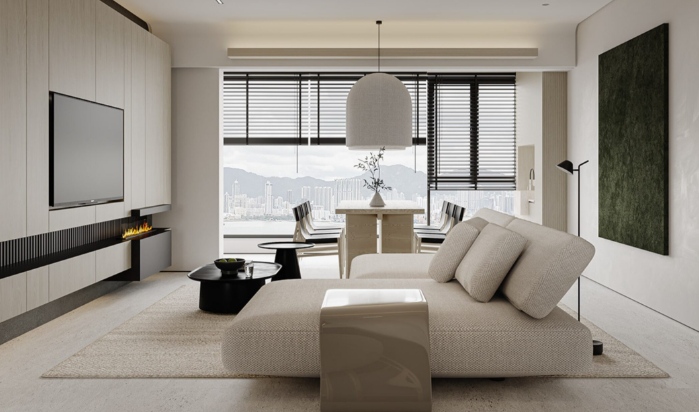
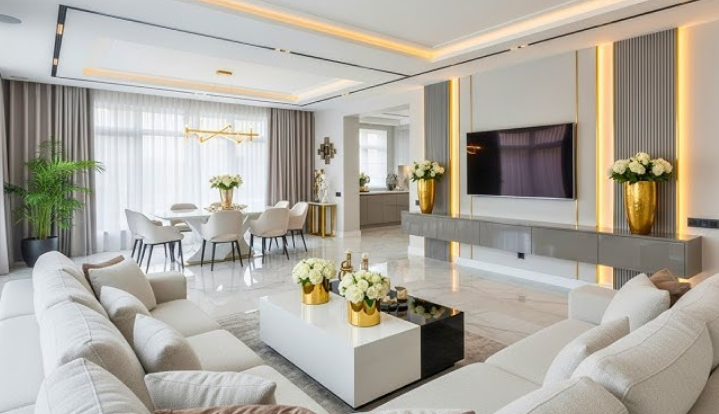
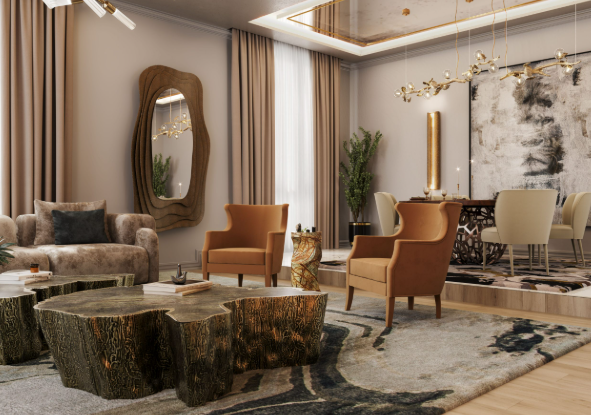
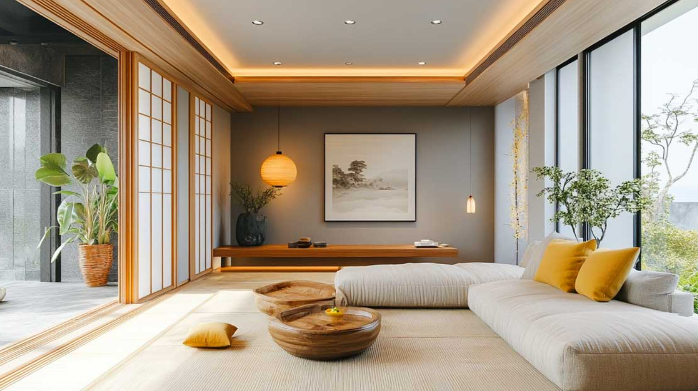
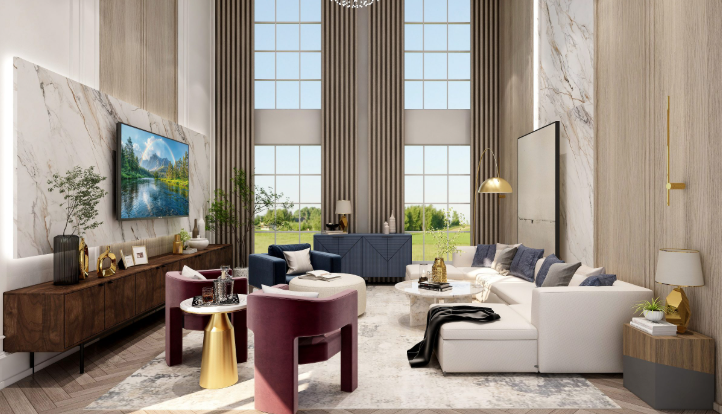
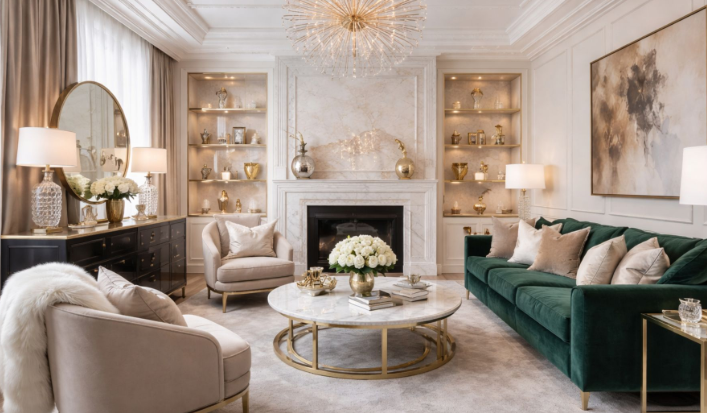
Feng Shui Living Room Layouts – Feng Shui is an ancient Chinese practice that focuses on arranging spaces to promote harmony, balance, and positive energy flow (known as chi). When applied to interior design—especially the living room—it helps create an environment that supports comfort, well-being, relationships, and prosperity.
A Feng Shui living room layout is not just about aesthetics. It is about how energy moves through your home, how furniture is positioned, and how each element interacts with the others. The goal is to create a space that feels calm, welcoming, and naturally balanced.
In this comprehensive guide, we will explore Feng Shui principles, ideal living room layouts, furniture placement tips, color guidance, and practical strategies to help you design a harmonious and energetically balanced living space.
Understanding Feng Shui in Interior Design
Feng Shui is based on the idea that everything contains energy. In your home, this energy should flow smoothly without blockages or disruptions. When energy flows well, it is believed to support health, happiness, and prosperity.
In living room design, Feng Shui focuses on:
- Furniture placement
- Energy flow (chi circulation)
- Balance of elements (wood, fire, earth, metal, water)
- Natural light and air circulation
- Clutter-free environments
A well-designed Feng Shui living room feels comfortable, open, and inviting.
Core Principles of Feng Shui Living Room Layouts
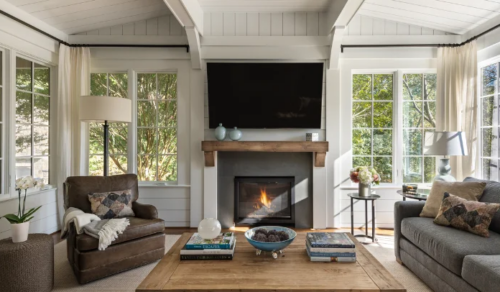
1. Clear Energy Flow (Chi Movement)
The living room should allow energy to move freely without obstruction. Avoid blocking pathways with furniture.
2. Balance of Elements
Feng Shui uses five natural elements:
- Wood: growth and vitality
- Fire: energy and passion
- Earth: stability and grounding
- Metal: clarity and structure
- Water: flow and calmness
A balanced room includes all elements in harmony.
3. Command Position
Key furniture like sofas should be placed in a “command position,” meaning you can see the entrance without sitting directly in line with it.
4. Clutter-Free Space
Clutter blocks energy flow and creates stagnation.
5. Natural Light and Air
Fresh air and sunlight are essential for positive energy circulation.
Ideal Feng Shui Living Room Layouts
1. The Command Position Layout
This is the most important Feng Shui principle.
How It Works:
- Place the main sofa against a solid wall
- Ensure you can see the main door from the seating area
- Avoid placing your back directly facing the entrance
Why It Matters:
It creates a sense of security and control, allowing energy to flow gently into the space.
2. The Circular Flow Layout
This layout encourages smooth energy movement.
Features:
- Furniture arranged in a soft circular or semi-circular shape
- No sharp angles blocking pathways
- Open center space
Benefits:
- Encourages conversation
- Promotes relaxation
- Enhances energy circulation
3. The Balanced Symmetry Layout
Symmetry is key in Feng Shui for stability.
Features:
- Matching sofas or chairs on both sides
- Central coffee table
- Balanced décor elements
Benefits:
- Creates harmony
- Feels structured and peaceful
- Supports emotional balance
4. The Open Flow Layout
Ideal for modern homes and apartments.
Features:
- Minimal furniture
- Open pathways between zones
- Multi-functional spaces
Benefits:
- Enhances energy movement
- Makes small spaces feel larger
- Supports flexibility
5. The Corner Harmony Layout
Useful for compact living rooms.
Features:
- Furniture placed along walls
- Corners softened with plants or décor
- Clear central space
Benefits:
- Maximizes space
- Prevents energy stagnation in corners
- Maintains openness
Feng Shui Furniture Placement Tips
Sofa Placement
- Place against a solid wall for support
- Avoid floating sofas in the middle of the room
- Ensure clear view of entry points
Coffee Table Position
- Should be proportional to seating
- Prefer round or oval shapes to soften energy
- Avoid sharp edges if possible
Chairs and Seating
- Arrange in conversational groupings
- Avoid placing chairs directly facing doors
TV Placement
- Should not dominate the room
- Avoid placing directly opposite seating if possible
- Balance with calming elements like plants or artwork
Feng Shui Entryway Connection
The living room is directly affected by the main entrance.
Keep Entrance Clear
Avoid clutter near the door.
Guide Energy Flow
Use rugs or lighting to gently guide energy into the room.
Create a Welcoming Atmosphere
Add plants or soft lighting near the entrance.
Feng Shui Color Guidelines for Living Rooms
Color plays a major role in influencing energy.
Neutral Base Colors
- Beige
- Cream
- Light gray
These promote calmness and balance.
Warm Colors
- Soft yellow
- Earthy orange
- Terracotta
These encourage warmth and social interaction.
Cool Colors
- Light blue
- Soft green
These promote relaxation and healing.
Accent Colors
Use sparingly:
- Red (energy)
- Gold (prosperity)
- Deep green (growth)
The Five Feng Shui Elements in Living Room Design
Wood Element
- Wooden furniture
- Plants
- Green colors
Represents growth and vitality.
Fire Element
- Candles
- Warm lighting
- Red or orange accents
Represents passion and energy.
Earth Element
- Stone décor
- Beige tones
- Ceramic items
Represents stability.
Metal Element
- Metal frames
- White or gray tones
- Round shapes
Represents clarity.
Water Element
- Mirrors
- Glass décor
- Blue tones
Represents flow and relaxation.
Feng Shui Lighting Principles
Natural Light First
Maximize daylight for positive energy.
Layered Lighting
Use multiple light sources for balance.
Warm Lighting
Creates a cozy and inviting atmosphere.
Avoid Harsh Shadows
Soft lighting promotes harmony.
Feng Shui Layout for Small Living Rooms
Use Minimal Furniture
Avoid overcrowding.
Maximize Vertical Space
Use shelves instead of floor storage.
Keep Flow Open
Ensure clear walking paths.
Use Mirrors Wisely
Reflect light but avoid facing doors directly.
Feng Shui Plants for Living Rooms
Plants bring life energy into the space.
Best Feng Shui Plants:
- Money plant (prosperity)
- Bamboo (luck and growth)
- Snake plant (protection)
- Peace lily (calm energy)
Placement Tips:
- Place in corners to soften energy
- Avoid dead or dying plants
- Keep plants healthy and vibrant
Common Feng Shui Living Room Mistakes
Blocking Doorways
This restricts energy flow.
Overcrowding Furniture
Too much furniture creates stagnant energy.
Sharp Corners Facing Seating
Creates discomfort and tension.
Lack of Natural Light
Reduces positive energy.
Clutter Accumulation
Disrupts harmony and balance.
Feng Shui Accessories and Décor
Artwork
Choose calming and uplifting images.
Mirrors
Use to expand space and reflect light.
Crystals
Believed to enhance positive energy.
Rugs
Define spaces and ground energy
Feng Shui for Emotional Well-being
A well-designed Feng Shui living room supports:
- Relaxation
- Better communication
- Reduced stress
- Emotional balance
- Stronger relationships
Budget-Friendly Feng Shui Tips
You don’t need a full renovation:
- Rearrange furniture for better flow
- Declutter regularly
- Add affordable plants
- Improve lighting
- Use mirrors strategically
Why Feng Shui Living Room Layouts Matter
Feng Shui is not just decorative—it influences how you feel in your home. A well-balanced layout can improve mood, increase comfort, and create a sense of peace.
Even if you don’t fully follow traditional Feng Shui beliefs, its principles align closely with modern interior design concepts like balance, flow, and functionality.
Final Thoughts
Feng Shui living room layouts are about creating harmony between people and their environment. By carefully arranging furniture, balancing elements, and ensuring smooth energy flow, you can transform your living room into a space that feels peaceful, welcoming, and full of positive energy.
The key is intention. Every object, color, and placement should support balance and comfort. Whether your home is large or small, Feng Shui principles can help you design a living space that enhances your well-being and supports a more harmonious lifestyle.
With thoughtful application, your living room can become more than just a place to sit—it becomes a space where energy flows freely, relationships thrive, and life feels more balanced every day.