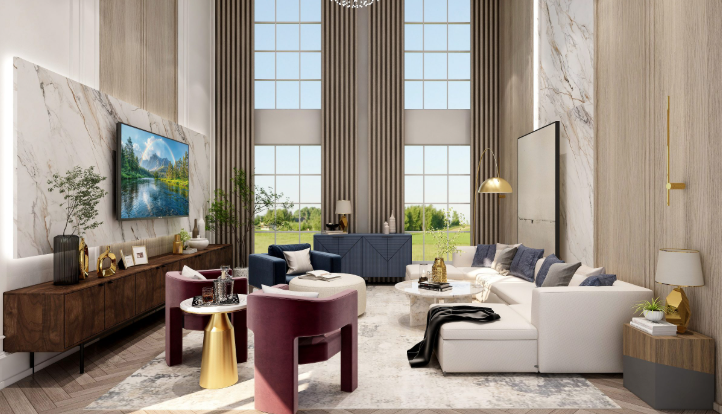
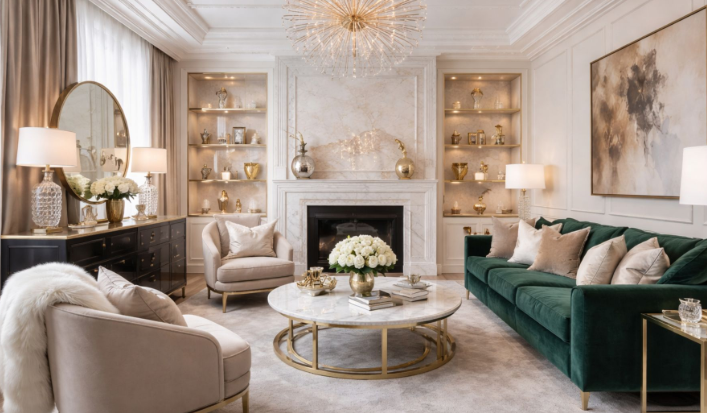
Smart Interior Solutions – In today’s fast-paced world, interior design is no longer just about aesthetics—it’s about creating spaces that work smarter, not harder. Smart interior solutions combine technology, functionality, and thoughtful design to improve comfort, efficiency, and quality of life. Whether you live in a compact apartment or a spacious home, integrating smart design ideas can transform your environment into a highly functional and modern living space.
This comprehensive guide explores the concept of smart interior solutions, key principles, practical ideas for every room, and strategies to help you create a home that is both intelligent and stylish.
What Are Smart Interior Solutions?
Smart interior solutions refer to design strategies that maximize efficiency, functionality, and convenience through the use of innovative layouts, multi-purpose furniture, and advanced technology. These solutions are especially valuable in modern homes where space may be limited and lifestyles demand flexibility.
Smart interiors are characterized by:
- Efficient use of space
- Multi-functional furniture
- Integrated technology
- Minimal clutter
- User-friendly layouts
- Sustainable and energy-efficient features
The goal is to create a seamless living experience where everything has a purpose and enhances daily life.
Core Principles of Smart Interior Design
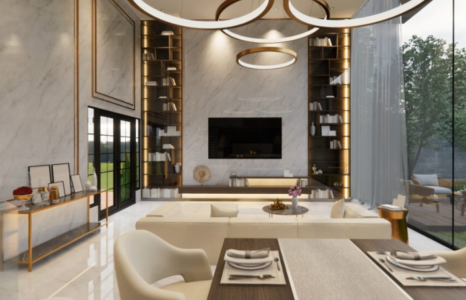
1. Functionality First
Every element in a smart home serves a purpose. Furniture, lighting, and layout decisions are all made with usability in mind.
2. Space Optimization
Smart design makes the most of every square meter. This is especially important in small homes or urban environments.
3. Integration of Technology
Technology is seamlessly incorporated into the design to improve convenience, security, and efficiency.
4. Flexibility and Adaptability
Spaces should easily adapt to different activities—working, relaxing, entertaining, and sleeping.
5. Minimalism and Organization
Clutter-free environments are essential for maintaining both visual and functional clarity.
Smart Living Room Solutions
The living room is often the most dynamic space in a home.
Multi-Functional Furniture
Choose furniture that serves more than one purpose:
- Sofa beds for guests
- Storage ottomans
- Expandable coffee tables
Hidden Storage
Incorporate storage within furniture to keep the space tidy.
Smart Entertainment Systems
Use integrated systems for:
- Streaming
- Audio control
- Voice commands
Flexible Layouts
Arrange furniture so it can be easily reconfigured for different activities.
Lighting Automation
Install smart lighting systems that adjust brightness and color based on time or mood.
Smart Kitchen Solutions
The kitchen is one of the most functional areas in a home, making it ideal for smart upgrades.
Space-Saving Design
Use pull-out cabinets, corner storage, and vertical shelving to maximize space.
Smart Appliances
Modern kitchens often include:
- Refrigerators with touch screens
- Ovens with remote control features
- Dishwashers with energy-saving modes
Organized Storage
Use drawer dividers, labeled containers, and modular storage systems.
Hands-Free Technology
Motion-sensor faucets and voice-controlled lighting enhance convenience.
Compact Layouts
Design efficient work triangles between the sink, stove, and refrigerator.
Smart Bedroom Ideas
Bedrooms should be restful yet functional.
Smart Beds
Adjustable beds with built-in storage or tech features improve comfort.
Built-In Storage
Use wardrobes with integrated shelving and hidden compartments.
Automated Lighting
Install lights that gradually dim at night or brighten in the morning.
Space-Saving Furniture
Murphy beds or foldable desks are ideal for smaller rooms.
Climate Control
Smart thermostats help maintain the perfect sleeping environme
Smart Bathroom Solutions
Bathrooms can benefit greatly from smart design.
Touchless Fixtures
Motion-sensor faucets and automatic flushing systems improve hygiene.
Smart Showers
Control temperature and water flow digitally.
Compact Storage
Use wall-mounted cabinets and shelves to save space.
Anti-Fog Mirrors
Smart mirrors with built-in lighting and defogging features enhance usability.
Efficient Layouts
Maximize space with corner sinks and sliding doors.
Smart Home Office Ideas
With remote work becoming more common, a smart home office is essential.
Ergonomic Furniture
Invest in adjustable chairs and desks for comfort and productivity.
Cable Management
Keep wires organized with hidden systems or cable trays.
Smart Lighting
Use adjustable lighting to reduce eye strain.
Sound Control
Incorporate noise-canceling features or soundproofing materials.
Compact Design
Use foldable desks or wall-mounted workstations for smaller spaces.
Smart Storage Solutions
Storage is a key component of smart interior design.
Vertical Storage
Use tall shelves and cabinets to maximize wall space.
Modular Systems
Flexible storage units can be rearranged as needed.
Hidden Compartments
Furniture with concealed storage keeps spaces clean.
Underutilized Areas
Make use of space under stairs, beds, or furniture.
Technology Integration in Smart Interiors
Technology plays a central role in smart interior solutions.
Smart Lighting Systems
Control lighting remotely or through voice commands.
Home Automation
Integrate systems for:
- Security
- Climate control
- Entertainment
Voice Assistants
Devices can control multiple aspects of the home.
Smart Security
Install cameras, sensors, and smart locks for safety.
Sustainable Smart Design
Smart interiors often align with sustainability goals.
Energy Efficiency
Use LED lighting and energy-efficient appliances.
Eco-Friendly Materials
Choose sustainable wood, recycled materials, and non-toxic finishes.
Water Conservation
Install low-flow fixtures and smart irrigation systems.
Longevity
Invest in durable, high-quality items that reduce waste.
Smart Lighting Ideas
Lighting is both functional and aesthetic in smart design.
Layered Lighting
Combine ambient, task, and accent lighting.
Motion Sensors
Lights turn on and off automatically based on movement.
Dimmable Systems
Adjust brightness to suit different activities.
Natural Light Optimization
Use mirrors and light colors to enhance daylight.
Smart Design for Small Spaces
Small spaces benefit the most from smart solutions.
Multi-Use Areas
Combine living, dining, and working spaces.
Foldable Furniture
Use items that can be stored away when not in use.
Light Colors
Bright tones make spaces feel larger.
Mirrors
Reflect light and create the illusion of depth.
Smart Décor Ideas
Even decoration can be smart and functional.
Minimalist Approach
Keep décor simple and purposeful.
Functional Accessories
Choose items that serve both decorative and practical roles.
Indoor Plants
Improve air quality and add natural beauty.
Digital Art Displays
Change artwork easily using digital frames.
Common Mistakes to Avoid
Overcomplicating Technology
Too many systems can become difficult to manage.
Ignoring User Experience
Design should be intuitive and easy to use.
Lack of Planning
Smart solutions require thoughtful layout and integration.
Neglecting Aesthetics
Functionality should not come at the expense of style.
Budget-Friendly Smart Interior Ideas
You don’t need a large budget to create a smart home.
- Start with basic smart devices like bulbs or plugs
- Use DIY storage solutions
- Rearrange furniture for better efficiency
- Focus on organization and decluttering
- Upgrade gradually over time
Benefits of Smart Interior Solutions
Increased Efficiency
Save time and effort with automated systems.
Enhanced Comfort
Create a personalized living environment.
Better Organization
Reduce clutter and improve functionality.
Energy Savings
Lower utility costs through efficient systems.
Future-Ready Living
Prepare your home for evolving technologies.
The Future of Smart Interiors
As technology continues to advance, smart interiors will become even more integrated and intuitive. Artificial intelligence, voice control, and sustainable innovations will shape the next generation of homes.
We can expect:
- Fully automated environments
- Increased personalization
- Greater focus on sustainability
- Seamless integration of digital and physical spaces
Final Thoughts
Smart interior solutions are transforming the way we live, making homes more efficient, comfortable, and adaptable. By combining thoughtful design with modern technology, you can create a space that not only looks great but also enhances your daily life.
The key is to focus on balance—integrating smart features without overwhelming the space. Start small, plan carefully, and prioritize solutions that truly add value to your lifestyle.
With the right approach, any home can become a smart home—functional, stylish, and ready for the future.