Rustic Home Design Ideas – Rustic home design is more than just a trend—it’s a celebration of natural materials, simple living, and a deep connection to the outdoors. Rooted in tradition yet highly adaptable to modern lifestyles, rustic interiors evoke warmth, comfort, and authenticity. Whether you live in a countryside cabin or a city apartment, incorporating rustic elements can transform your space into a cozy retreat that feels grounded and inviting.
This article explores the essence of rustic home design, its defining characteristics, and a wide range of creative ideas to help you bring this timeless style into your own home.
Understanding Rustic Design
At its core, rustic design is inspired by nature. It embraces raw, unrefined materials and emphasizes simplicity, durability, and organic beauty. Unlike sleek modern styles that focus on minimalism and perfection, rustic interiors celebrate imperfections—knots in wood, weathered textures, and handcrafted details.
Rustic design originated from rural homes where practicality guided aesthetics. Furniture was often handmade, materials were locally sourced, and decoration was minimal yet meaningful. Today, this style has evolved to blend traditional charm with contemporary comfort, creating spaces that feel both nostalgic and livable.
Key Elements of Rustic Home Design
Before diving into specific ideas, it’s important to understand the foundational elements that define rustic interiors.
1. Natural Materials
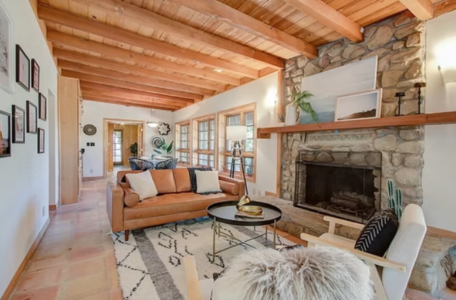
Wood is the cornerstone of rustic design. From exposed ceiling beams to hardwood floors and reclaimed furniture, wood adds warmth and authenticity. Stone is another essential material, often used in fireplaces, walls, or flooring.
Other natural elements include:
- Leather
- Linen and cotton fabrics
- Wrought iron
- Clay and ceramics
2. Neutral and Earthy Color Palette
Rustic homes typically feature colors inspired by nature:
- Browns, tans, and beiges
- Warm whites and creams
- Muted greens and grays
These tones create a calm, grounded atmosphere and allow natural textures to stand out.
3. Texture and Layering
Texture plays a crucial role in rustic design. Combining rough and soft elements—like a chunky knit blanket on a wooden bench—adds depth and comfort.
4. Handmade and Vintage Pieces
Rustic interiors often include items that look handcrafted or have a story behind them. Vintage furniture, antiques, and DIY décor pieces enhance the authenticity of the space.
Rustic Living Room Ideas
The living room is the heart of the home, making it an ideal place to showcase rustic design.
Embrace a Statement Fireplace
A stone or brick fireplace instantly becomes the focal point of a rustic living room. Pair it with a wooden mantel and decorate with candles, framed photos, or greenery.
Choose Comfortable, Natural Seating
Opt for sofas and chairs upholstered in natural fabrics like linen or leather. Neutral tones work best, but subtle patterns like plaid can add character.
Add Wooden Accents
Incorporate coffee tables, side tables, and shelving made from reclaimed wood. Look for pieces that highlight the natural grain and imperfections.
Layer Textiles
Use rugs, throws, and cushions to create a cozy environment. Materials like wool, jute, and cotton enhance the rustic feel.
Rustic Kitchen Design Ideas
The kitchen is another space where rustic design shines beautifully.
Open Shelving
Replace upper cabinets with open wooden shelves to display dishes, jars, and cookware. This not only adds charm but also makes the space feel more open.
Farmhouse Sink
A deep farmhouse sink is both practical and aesthetically aligned with rustic design. Pair it with vintage-style faucets for a cohesive look.
Wooden Cabinets and Countertops
Natural wood cabinets bring warmth to the kitchen. Butcher block countertops are a popular rustic choice that combines functionality with beauty.
Exposed Beams
If possible, add or highlight ceiling beams to enhance the rustic atmosphere.
Rustic Bedroom Ideas
A rustic bedroom should feel like a peaceful retreat.
Wooden Bed Frames
Choose a bed frame made from solid wood or reclaimed materials. A simple, sturdy design works best.
Soft, Layered Bedding
Use neutral-colored bedding with layered textures—linen sheets, wool blankets, and plush pillows.
Warm Lighting
Opt for soft, warm lighting through bedside lamps or wall sconces. Avoid harsh, bright lights.
Nature-Inspired Décor
Decorate with elements like dried flowers, landscape artwork, or wooden picture frames.
Rustic Bathroom Ideas
Rustic bathrooms combine functionality with natural elegance.
Stone and Wood Elements
Use stone sinks or wooden vanities to create a grounded look.
Vintage Fixtures
Choose fixtures with an antique or weathered finish, such as bronze or brushed nickel.
Neutral Tiles
Stick to neutral-colored tiles that mimic natural materials like stone or marble.
Simple Accessories
Keep décor minimal—woven baskets, ceramic jars, and soft towels are enough to complete the look.
Modern Rustic Fusion
Rustic design doesn’t have to feel outdated. Combining rustic elements with modern touches creates a balanced and stylish interior.
Mix Old and New
Pair a reclaimed wood dining table with modern chairs. Combine vintage décor with contemporary lighting fixtures.
Clean Lines with Natural Materials
Use sleek furniture designs made from natural materials to achieve a modern rustic look.
Minimalist Approach
Reduce clutter while maintaining warmth through textures and materials.
Rustic Décor Ideas
Even small decorative changes can bring rustic charm into your home.
Wall Art
Choose artwork that reflects nature—landscapes, botanical prints, or animal motifs.
Greenery
Add indoor plants or fresh flowers to bring life and freshness into the space.
Lighting Fixtures
Use pendant lights, lanterns, or chandeliers made from metal or wood.
Handmade Items
Incorporate DIY crafts like woven baskets, macramé, or hand-painted signs.
Rustic Outdoor Spaces
Rustic design extends beautifully to outdoor areas.
Wooden Furniture
Use sturdy wooden tables and benches for patios or gardens.
Fire Pit Area
Create a cozy gathering space with a fire pit and seating.
Natural Landscaping
Keep landscaping simple and natural—wildflowers, stone paths, and wooden fences.
Tips for Achieving Rustic Style
- Focus on Quality Over Quantity
Rustic design values craftsmanship and durability. Invest in well-made pieces rather than filling your space with unnecessary items. - Embrace Imperfection
Scratches, dents, and weathered finishes add character. Don’t aim for perfection. - Stay Authentic
Use real materials whenever possible instead of synthetic imitations. - Balance Is Key
Avoid making your space feel too heavy or dark. Balance wood and stone with lighter fabrics and colors.
Common Mistakes to Avoid
- Overdoing the Theme: Too many rustic elements can make the space feel staged or overwhelming.
- Ignoring Comfort: Rustic should still be cozy and functional.
- Using Too Many Dark Colors: This can make rooms feel small and gloomy.
- Lack of Contrast: Mix textures and tones to keep the design visually interesting.
Why Rustic Design Remains Popular
Rustic design continues to appeal to homeowners because it offers a sense of comfort and authenticity that is often missing in modern, fast-paced living. It encourages a slower, more intentional lifestyle and fosters a connection with nature. Rustic Home Design Ideas
Additionally, rustic interiors are highly adaptable. Whether you prefer a traditional cabin look or a modern rustic blend, the style can be tailored to suit your preferences and living space.
Final Thoughts
Rustic home design is about creating a space that feels warm, welcoming, and true to nature. By incorporating natural materials, earthy colors, and meaningful décor, you can transform your home into a sanctuary that reflects simplicity and beauty. Rustic Home Design Ideas
Whether you choose to fully embrace rustic design or just add a few elements, the key is to create a space that feels authentic and comfortable. With thoughtful planning and creativity, rustic design can bring timeless charm and character to any home.